
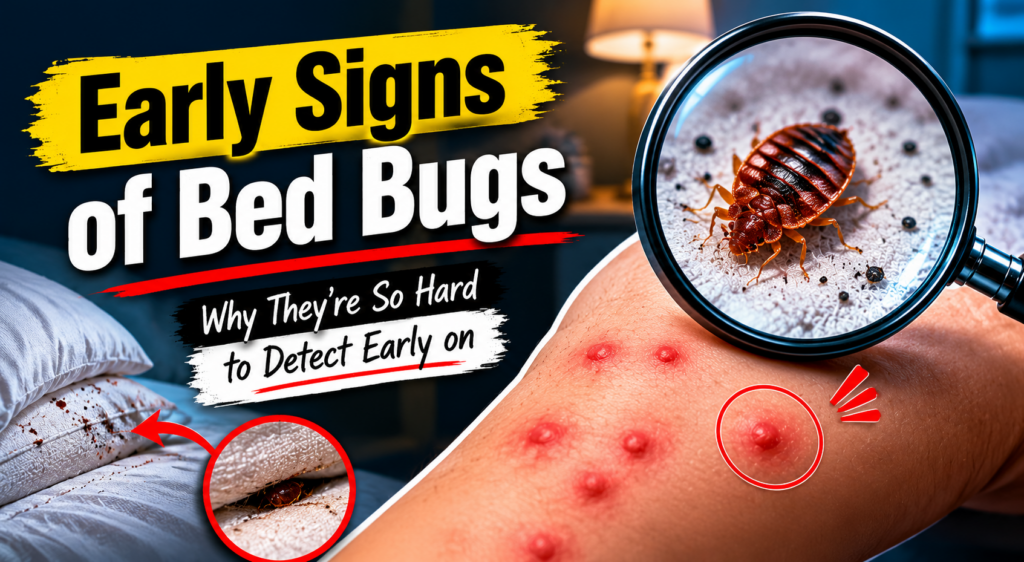
Most homeowners do not notice the early signs of bed bugs until the problem becomes serious. These tiny bed bugs are experts at hiding in dark, narrow spaces such as mattress seams, box springs, furniture joints, and behind headboards. Because they usually come out at night, many people only realize something is wrong after waking up with itchy bites or spotting unusual stains on their bedding.
One reason a bed bug infestation spreads quickly is that the insects reproduce fast while staying hidden during the day. Many people also confuse the first symptoms with mosquito bites, allergic reactions, or skin irritation. In some cases, homeowners experience bites but still think there are no signs of bed bugs but i have bites because the insects are difficult to spot early. Learning how these pests behave can help you identify problems before a full infestation develops.
Early Bite Marks on Skin
One of the most common signs of bed bugs is waking up with small, itchy red bites on exposed areas of the body. These bites often appear on the arms, shoulders, neck, back, or legs because bed bugs usually feed while people are sleeping. Unlike random mosquito bites, bed bug bites often appear in clusters, straight lines, or zigzag patterns. This feeding pattern is one of the earliest clues homeowners notice during the beginning stages of an infestation.
However, bite reactions vary from person to person. Some individuals develop visible swelling and irritation, while others show little or no reaction at all. This is why some homeowners believe there are no signs of bed bugs but i have bites, especially during the early stages. Although bites alone cannot confirm a problem, they are often among the first bed bug infestation signs when combined with stains, odors, or visible insects around sleeping areas.
Blood Stains on Bed Sheets
Tiny reddish or rust-colored marks on bedding are another warning sign homeowners should never ignore. These bed bug stains usually appear after a bug is accidentally crushed during sleep or after feeding. In many cases, the marks are small and scattered across pillowcases, blankets, or mattress corners. Homeowners often notice these stains before they ever see the insects themselves.
One of the most overlooked early signs of bed bugs is the appearance of early bed bug stains on sheets near sleeping areas. These stains may look like tiny smears, dots, or dried blood spots that continue appearing over time. You may also notice bed bug marks on sheets close to mattress seams or along the edges of fitted sheets where the insects hide during the day. Since these pests stay close to their food source, repeated bed bug bed sheet stains can signal that the infestation is growing. Checking your bedding regularly can help identify problems before the insects spread throughout the home.

Dark Spots on the Mattress
Small black or dark brown spots around the bed are among the clearest bed bug infestation signs homeowners can find. These spots are usually dried fecal stains left behind after feeding and are commonly found near mattress seams, corners, bed frames, and hidden crevices. Unlike regular dirt, these marks often smear slightly when wiped with a damp cloth because they contain digested blood.
Many people first notice bed bug spots on mattress surfaces while changing sheets or cleaning their bedroom. These stains may appear in clusters near stitching lines, tags, or fabric folds where the insects stay hidden during daylight hours. Along with dark spots, you might also see tiny shed skins or pale eggs near the same hiding areas. Since bed bugs on mattress surfaces usually remain hidden during the day, these physical traces become important clues for early detection. Spotting these warning signs early can prevent the infestation from spreading into furniture, carpets, and nearby rooms.
Shed Skins and Hidden Eggs
As a bed bug infestation grows, the insects leave behind physical evidence that many homeowners overlook during routine cleaning. Young bed bugs shed their outer shells several times before reaching adulthood, leaving behind pale yellow or translucent skins near their hiding spots. These shed skins are commonly found around mattress edges, furniture joints, behind headboards, and inside small cracks close to sleeping areas.
Tiny white eggs are another important clue linked to the early signs of bed bugs. Bed bug eggs are extremely small, often no larger than a grain of rice, making them difficult to notice without careful inspection. They are usually hidden in dark, protected areas where the insects remain undisturbed during the day. If you are wondering, can you see bed bugs on bed, the answer is sometimes yes , especially during a growing infestation , but eggs and shed skins are often easier to spot first. Finding these traces early can help stop the insects before they spread deeper into the home.
Musty Odors in Sleeping Areas
A strong, unpleasant odor in the bedroom can sometimes indicate a hidden bed bug infestation. Many people describe the smell as musty, damp, or slightly sweet, similar to wet towels or old clothing stored for too long. This odor becomes more noticeable as the infestation grows because bed bugs release scent-producing chemicals known as pheromones. In smaller infestations, the smell may be faint, but larger populations can create a persistent odor around beds and furniture.
While odors alone are not enough to confirm an infestation, they often appear alongside other bed bug signs such as stains, bites, or dark spots on bedding. Homeowners sometimes notice the smell before discovering visible insects hiding in mattresses or furniture. If unusual odors continue appearing in sleeping areas, inspect nearby cracks, upholstery, and bedding carefully for additional evidence. Recognizing these environmental changes early can help identify the early signs of bed bugs before the insects spread into other rooms and become more difficult to eliminate.
Common Bed Bug Hiding Spots
Understanding where these pests hide is essential for spotting the early signs of bed bugs before the infestation becomes severe. Because bed bugs avoid light and prefer tight spaces, they usually stay close to sleeping areas where they can feed easily at night. Their flat bodies allow them to squeeze into tiny cracks that are difficult to inspect during normal cleaning.
The most common hiding spots include mattress seams, box springs, bed frames, headboards, furniture joints, electrical outlets, curtains, and upholstered furniture. Many homeowners first discover bed bugs on mattress edges while changing sheets or vacuuming around the bed. Second-hand furniture, luggage, and storage boxes can also carry hidden insects into the home. If you are wondering what do bed bug stains look like, inspect these hiding areas for tiny dark spots, rust-colored smears, shed skins, or pale eggs. Regular inspections around these locations can help detect problems early and reduce the chances of a widespread infestation developing throughout the house.
How to Confirm the Early Signs of Bed Bugs Before an Infestation Spreads
Identifying the early signs of bed bugs quickly can prevent a minor problem from turning into a serious infestation. Start by carefully inspecting areas around your bed with a flashlight, focusing on mattress seams, box springs, bed frames, furniture corners, and small cracks where bed bugs commonly hide. Look for live bugs, tiny white eggs, shed skins, dark fecal spots, and unusual blood stains on bedding. Because bed bugs are mostly active at night and stay hidden during the day, checking your room after dark may improve your chances of spotting early bed bug activity.
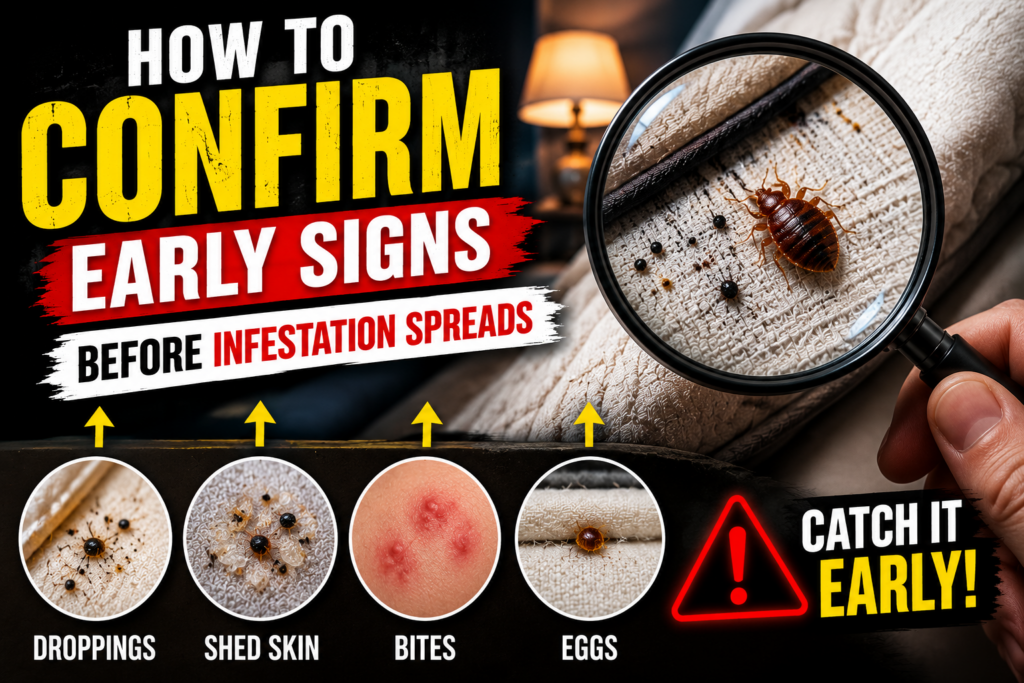
Many homeowners ask, can you see bed bugs on bed during the early stages of an infestation. In some cases, adult insects may be visible near mattress folds or headboards, especially at night. However, physical evidence is often easier to spot than the bugs themselves. Repeated bed bug stains, bite patterns, and hidden debris usually confirm the presence of pests even before live insects are discovered. If multiple warning signs continue appearing, contacting a professional pest control expert can help verify the infestation and prevent it from spreading further.
Why Early Detection Matters
Recognizing the early signs of bed bugs quickly can save homeowners from expensive treatments, damaged furniture, and months of frustration. These insects reproduce rapidly, and a small problem can grow into a widespread bed bug infestation within a short period of time. Once the pests spread into multiple rooms, eliminating them becomes more difficult and often requires extensive professional treatment.
Early detection also helps reduce stress, sleep disruption, and skin irritation caused by repeated bites. Many people continue living with hidden infestations because they ignore small clues such as bites, odors, or bed bug stains on bedding. Unfortunately, delaying action allows the insects to multiply and spread through clothing, furniture, and luggage. Even clean homes can develop infestations because bed bugs travel easily from hotels, public spaces, or second-hand items. Regular inspections and quick responses to suspicious signs can help stop the infestation early, protect your living space, and reduce the overall cost of treatment and recovery.
Mistakes People Often Make
One of the biggest mistakes homeowners make is assuming that a clean house cannot develop a bed bug infestation. In reality, bed bugs are attracted to human blood rather than dirt or poor hygiene. They can enter homes through luggage, used furniture, clothing, or shared living spaces. Because of this misconception, many people ignore the first warning signs and allow the infestation to spread unnoticed.
Another common mistake is misidentifying the symptoms. Some homeowners believe there are no signs of bed bugs but i have bites, leading them to blame mosquitoes, allergies, or dry skin instead of checking their sleeping areas carefully. Others overlook small stains or dark spots because they do not realize these are possible bed bug infestation signs. Delaying professional inspection is another major problem. The longer the insects remain hidden, the harder they become to remove completely. Acting quickly after noticing unusual bites, stains, or odors can help prevent a larger infestation from developing inside the home.
What to Do After Finding Signs
If you notice the early signs of bed bugs, taking immediate action can help prevent the infestation from spreading throughout your home. Start by washing bedding, blankets, pillowcases, and clothing in hot water, then dry them on high heat to kill hidden insects and eggs. Vacuum mattresses, carpets, bed frames, and furniture carefully, especially around seams and cracks where pests tend to hide.
Avoid moving infested furniture to other rooms because this can spread the insects to new areas. Instead, isolate affected items and inspect nearby spaces for additional evidence such as bed bug spots on mattress surfaces or dark stains around furniture joints. Mattress encasements can also help trap hidden insects and reduce further activity. If you continue seeing bites, stains, or live bugs after cleaning, contact a professional pest control service immediately. Early treatment is important because even a small bed bug infestation can grow rapidly if the insects remain hidden and continue reproducing inside the home.
Preventing Bed Bugs From Returning
Preventing another bed bug infestation requires consistent inspection habits and careful attention when bringing items into your home. After traveling, inspect luggage, clothing, and personal belongings before placing them near beds or upholstered furniture. Washing travel clothes on high heat immediately after returning home can help eliminate hidden insects before they spread indoors.
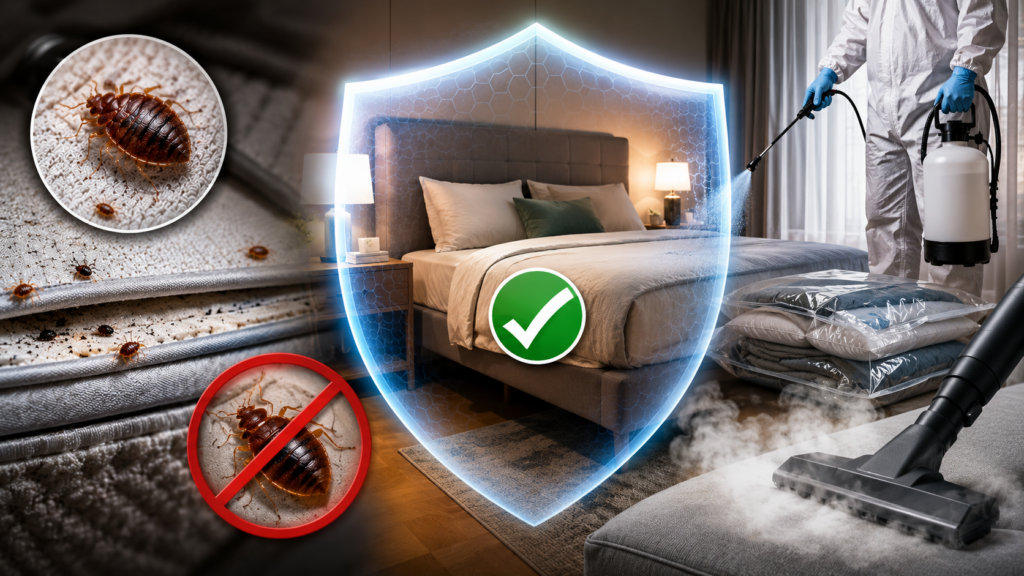
Regularly checking mattress seams, bed frames, and furniture corners can also help detect the early signs of bed bugs before the problem becomes severe again. Be cautious when purchasing second-hand furniture, especially mattresses, couches, and wooden bed frames, since hidden pests often travel through used items. Protective mattress encasements may reduce hiding spaces and make future inspections easier. Homeowners should also watch for suspicious stains, unusual odors, or recurring bite patterns that could signal returning activity. Staying proactive is the best defense against future infestations, especially in apartments, hotels, or shared living environments where bed bugs can move easily between rooms and neighboring spaces.
Conclusion
Detecting the early signs of bed bugs can make a major difference in preventing a small problem from turning into a stressful and expensive infestation. Warning signs such as bite clusters, dark spots, unusual odors, shed skins, and bed bug stains on bedding should never be ignored. Since these pests hide extremely well during the day, early physical evidence is often the first clue homeowners notice.
Routine inspections around mattresses, furniture, and sleeping areas can help identify a developing bed bug infestation before it spreads throughout the home. Acting quickly after discovering suspicious signs is important because these insects reproduce rapidly and become harder to eliminate over time. Whether the infestation begins through travel, second-hand furniture, or shared spaces, staying alert can reduce the risk of long-term problems. If warning signs continue appearing despite cleaning and inspections, professional pest control treatment may be the most effective solution for completely removing the infestation and protecting your home from future outbreaks.
Frequently Asked Questions (FAQ)
What are the first signs of bed bugs?
The earliest warning signs usually include itchy bite clusters, tiny blood stains on sheets, dark fecal spots, and unusual odors near sleeping areas. These clues often appear before homeowners see live insects.
What do bed bug stains look like?
Many people asking what do bed bug stains look like notice tiny rust-colored smears or dark brown spots on bedding, pillowcases, and mattresses. These stains are often linked to crushed bugs or dried droppings.
Can You Have Bed Bugs Without Seeing Them? Early Signs of Bed Bugs Explained
Yes. One of the early signs of bed bugs is unexplained bites, small blood stains, or itchy skin , even when you can’t actually see the bugs. Bed bugs are experts at hiding in mattress seams, cracks, furniture, and wall gaps during the day, which is why many infestations stay unnoticed for weeks before the insects become visible.
Can you see bed bugs on bed?
In some cases, yes. Adult bed bugs may appear near mattress folds or headboards at night, especially during a larger bed bug infestation. However, stains, eggs, and shed skins are usually easier to notice first.