Bed bugs are among the most frustrating household pests because they hide well, reproduce quickly, and can survive for months without feeding. Once an infestation begins, many homeowners turn to sprays, DIY remedies, and online solutions hoping for a fast fix. Unfortunately, not every method delivers lasting results, and some treatments only reduce the problem temporarily.
The good news is that several proven Bed Bug Treatments can effectively eliminate infestations when applied correctly. From heat-based solutions and steam applications to targeted insecticides and professional extermination services, today’s treatment options are far more advanced than they were a decade ago. The key is choosing the right approach based on the severity of the infestation and the areas affected.
Whether you’ve recently discovered bites on your skin or noticed signs of bed bugs around your mattress, understanding your options is the first step toward regaining control of your home. This guide explains the most effective treatment methods available, how they work, and when professional help may be necessary for complete eradication.
Why Effective Bed Bug Treatments Matter
A bed bug infestation rarely disappears on its own. These pests can hide in mattresses, box springs, furniture, baseboards, and even electrical outlets, making them difficult to eliminate without a structured plan. Choosing effective Bed Bug Treatments early can prevent a small problem from turning into a widespread infestation that affects multiple rooms.
One of the biggest challenges is that bed bugs are highly resilient. They can survive for long periods without feeding and often avoid detection until their population grows significantly. While some homeowners attempt a basic bed bug treatment using over-the-counter products, incomplete applications frequently allow surviving bugs to continue reproducing.
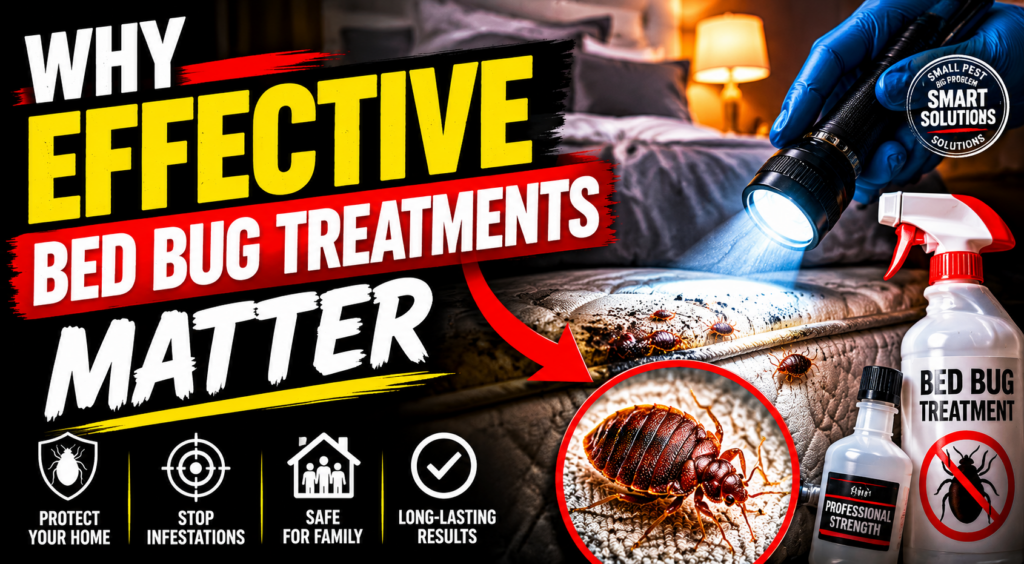
Successful bed bugs treatment strategies focus on eliminating both adult insects and their eggs. Since eggs can hatch after initial treatment, follow-up inspections and additional control measures are often necessary. This is why pest management experts recommend combining multiple methods rather than relying on a single solution.
Understanding where bed bugs hide and how they spread helps homeowners select the most appropriate treatment approach. The following sections cover the most effective methods available today, including heat, steam, vacuuming, and professional extermination services.
Bed Bug Treatments Using Heat: One of the Most Effective Solutions
Among all available Bed Bug Treatments, heat-based methods are widely considered one of the most reliable options for eliminating infestations. Unlike chemical applications that may require multiple visits, heat can penetrate cracks, furniture, mattresses, and other hiding places where bed bugs often escape traditional treatments.
How Bed Bug Heat Treatment Works
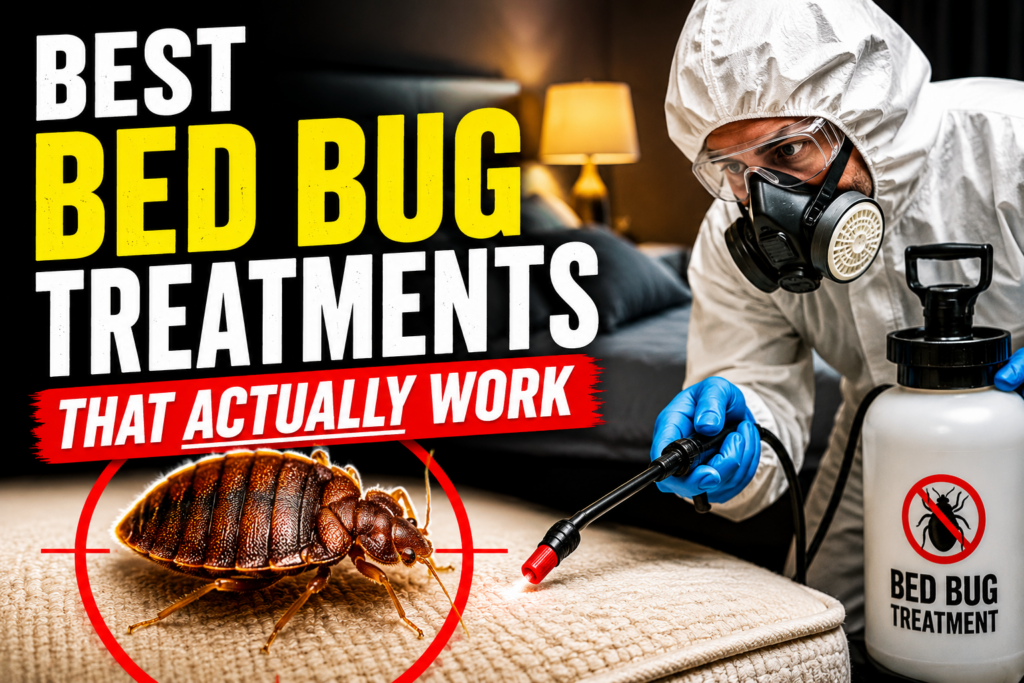
A bed bug heat treatment raises the temperature inside an affected room or structure to levels that are lethal to bed bugs and their eggs. Professional technicians use specialized equipment to maintain high temperatures for several hours, ensuring that pests hidden deep within furniture and belongings are exposed to the heat.
Because bed bugs cannot survive sustained temperatures above their tolerance threshold, this method can eliminate large infestations in a single service when performed correctly.
Benefits of Heat Therapy for Bed Bugs
One of the main advantages of heat therapy for bed bugs is its ability to reach areas that sprays and dust treatments may miss. Heat moves throughout the treatment space, reducing the likelihood of hidden survivors.
Additional benefits include:
- Effective against adult bed bugs, nymphs, and eggs
- Minimal reliance on chemical products
- Faster results compared to many conventional methods
- Suitable for residential and commercial properties
Although heat treatment can be highly successful, it should be performed by trained professionals to ensure safe and consistent temperature distribution throughout the affected area.
Steam and Vacuum Methods for Bed Bug Control
Steam and vacuuming are valuable tools in modern bed bug control programs, especially when used alongside other treatment methods. While these techniques may not always eliminate a severe infestation on their own, they can significantly reduce bed bug populations and improve the effectiveness of follow-up treatments.
Using a Bed Bug Vacuum Steamer Effectively
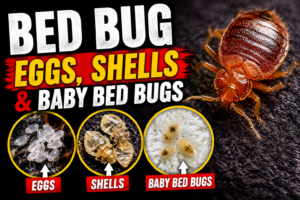
A bed bug vacuum steamer combines two powerful approaches. Vacuuming helps remove visible bed bugs, shed skins, and eggs from mattresses, furniture seams, carpets, and cracks. Steam then delivers high temperatures directly to surfaces where bed bugs may be hiding.
For best results, homeowners should focus on:
- Mattress seams and tufts
- Bed frames and headboards
- Upholstered furniture
- Baseboards and wall joints
- Cracks near sleeping areas
Slow and thorough application is essential because quick passes may not expose pests to enough heat to be effective.
Why Steam Works as Part of a Bed Bugs Bed Treatment Plan
Steam is often included in a comprehensive bed bugs bed treatment strategy because it reaches many of the areas where infestations begin. Since bed bugs commonly gather close to sleeping spaces, targeted steam applications can reduce their numbers before additional control measures are implemented.
Although steam and vacuuming provide immediate benefits, they are generally most successful when combined with monitoring, sanitation, and other proven treatment methods to prevent reinfestation.
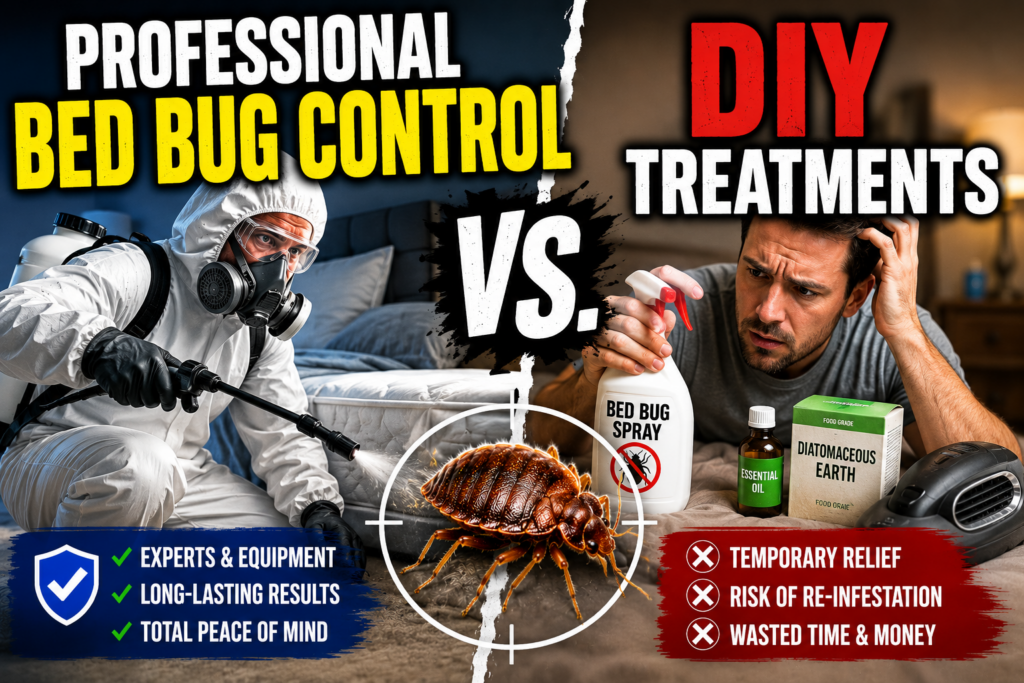
Professional Bed Bug Control vs. DIY Treatments
When dealing with an active infestation, homeowners often wonder whether they should handle the problem themselves or hire a specialist. The answer usually depends on the size of the infestation, how long it has been present, and whether previous treatment attempts have been successful.
When Professional Bed Bug Control Is Worth It
For moderate to severe infestations, professional bed bug treatment is often the most effective option. Pest management specialists have access to commercial-grade equipment, advanced monitoring tools, and treatment methods that are not typically available to the public.
Professionals can also identify hidden infestation sites that homeowners may overlook. This reduces the risk of surviving bed bugs spreading to other areas of the property and restarting the infestation cycle.
In addition, many pest control companies use multiple treatment methods during the same service, increasing the likelihood of long-term success.
Does Alcohol Kill Bed Bugs?
A common question among homeowners is, does alcohol kill bed bugs? While rubbing alcohol can kill some bed bugs on direct contact, it is not considered a reliable solution for eliminating an entire infestation.
Alcohol does not provide residual protection, meaning it cannot continue working after it dries. It also fails to reach many hidden insects and eggs concealed inside furniture, walls, and mattress seams. Relying solely on alcohol often leaves enough survivors behind to rebuild the population.
For lasting results, experts generally recommend using proven treatment methods rather than depending on temporary DIY remedies.
Professional Bed Bug Control vs. DIY Treatments
When dealing with an active infestation, homeowners often wonder whether they should handle the problem themselves or hire a specialist. The answer usually depends on the size of the infestation, how long it has been present, and whether previous treatment attempts have been successful.
When Professional Bed Bug Control Is Worth It
For moderate to severe infestations, professional bed bug control is often the most effective option. Pest management specialists have access to commercial-grade equipment, advanced monitoring tools, and treatment methods that are not typically available to the public.
Professionals can also identify hidden infestation sites that homeowners may overlook. This reduces the risk of surviving bed bugs spreading to other areas of the property and restarting the infestation cycle.
In addition, many pest control companies use multiple treatment methods during the same service, increasing the likelihood of long-term success.
Does Alcohol Kill Bed Bugs?
A common question among homeowners is, does alcohol kill bed bugs? While rubbing alcohol can kill some bed bugs on direct contact, it is not considered a reliable solution for eliminating an entire infestation.
Alcohol does not provide residual protection, meaning it cannot continue working after it dries. It also fails to reach many hidden insects and eggs concealed inside furniture, walls, and mattress seams. Relying solely on alcohol often leaves enough survivors behind to rebuild the population.
For lasting results, experts generally recommend professional bed bug treatment and other proven control methods rather than depending on temporary DIY remedies.
Conclusion
Finding the right solution for a bed bug infestation requires more than a quick spray or home remedy. The most effective bed bug treatment options typically involve proven methods that target bed bugs at every stage of their life cycle. Heat treatments, steam applications, vacuuming, and professional extermination services all have a role to play depending on the severity of the infestation.
For homeowners facing a minor problem, early intervention can prevent bed bugs from spreading throughout the property. However, larger infestations often require professional assistance and a comprehensive treatment strategy to achieve complete eradication. Methods such as heat treatment and integrated pest management have become popular because they address hidden pests as well as visible activity.
No single solution works perfectly in every situation, which is why experts often recommend combining multiple techniques. Regular monitoring, preventive measures, and prompt action when signs of bed bugs appear can significantly reduce the risk of future infestations.
By understanding the strengths and limitations of different treatment options, homeowners can make informed decisions and choose the bed bug treatment approach that offers the best chance of long-term success. With the right plan in place, it is possible to eliminate bed bugs and restore a comfortable, pest-free living environment.
Frequently Asked Questions
What is the most effective bed bug treatment?
Heat treatment is widely considered one of the most effective ways to eliminate bed bugs because it can kill adults, nymphs, and eggs in a single treatment. Professional heat applications reach hidden areas that sprays and other products may miss, making them highly effective for severe infestations.
How long does a bed bug heat treatment take?
Most professional heat treatments take between 6 and 10 hours, depending on the size of the property and the severity of the infestation. Technicians must maintain lethal temperatures long enough to ensure bed bugs and their eggs are completely eliminated.
Does alcohol kill bed bugs permanently?
Rubbing alcohol can kill some bed bugs when sprayed directly on them, but it does not provide long-term control. It does not affect hidden bugs effectively and offers no residual protection after it dries, making it an unreliable standalone solution.
Can I get rid of bed bugs without hiring a professional?
Small infestations may sometimes be reduced using vacuuming, steam treatment, mattress encasements, and careful cleaning. However, larger infestations are often difficult to eliminate without professional bed bug control because bed bugs can hide in hard-to-reach areas throughout the home.
What is integrated pest management for bed bugs?
Integrated pest management for bed bugs is a comprehensive approach that combines inspection, monitoring, sanitation, heat treatments, targeted insecticides, and preventive measures. This strategy focuses on long-term control and reducing the risk of future infestations rather than relying on a single treatment method.