Bed bugs are among the most frustrating household pests homeowners can face. These tiny insects are experts at hiding, reproduce quickly, and often go unnoticed until the infestation becomes serious. Whether you are waking up with itchy bites, spotting dark stains on your bedding, or simply trying to prevent an infestation, understanding bed bugs is essential for protecting your home and health.
In recent years, infestations have increased in homes, apartments, hotels, dormitories, and even public transportation. Many people confuse them with fleas or other small insects, which delays proper treatment. Learning the early signs of bed bugs, how to inspect your home, and the most effective removal methods can help stop the problem before it spreads.
This complete guide explains what bed bugs look like, how to identify bed bug bites, where they hide, how infestations start, and the best strategies for treatment and prevention.
What Are Bed Bugs?
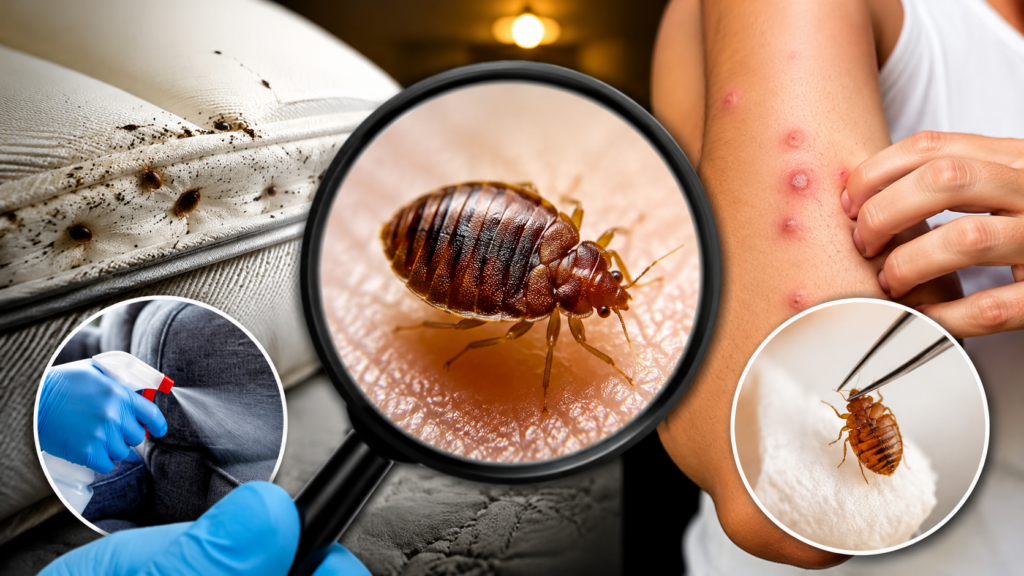
Bed bugs are small parasitic insects that feed on human and animal blood, usually during the night. Their scientific name is Cimex lectularius. These pests are flat, oval-shaped, and reddish-brown in color. Adult bed bugs are approximately the size of an apple seed, making them visible to the naked eye.
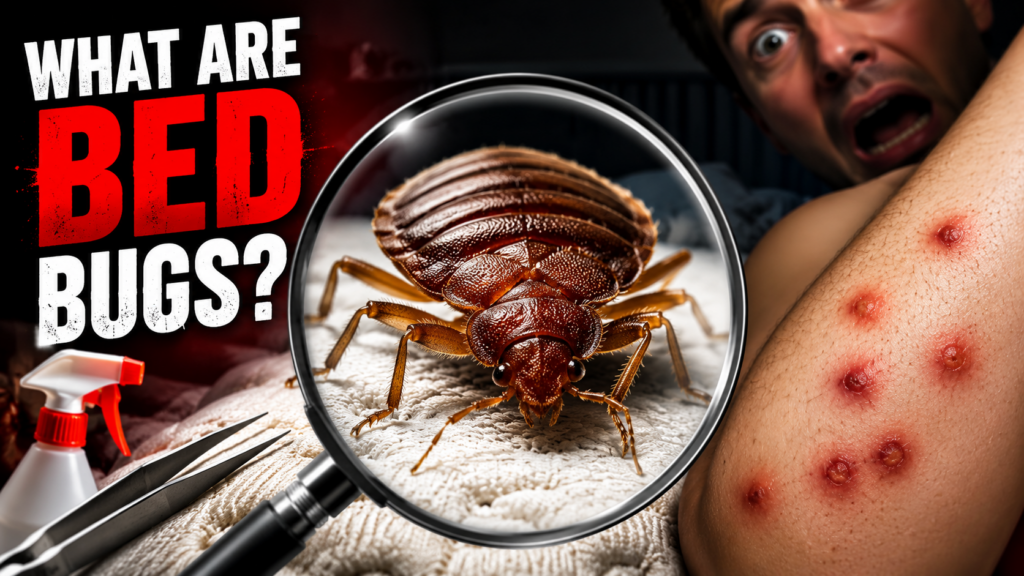
Unlike fleas or mosquitoes, bed bugs cannot jump or fly. Instead, they crawl quickly across surfaces and hide in narrow cracks during the day. They are most commonly found near sleeping areas because they feed while people sleep. A common misconception is that infestations only happen in dirty homes. In reality, bed bugs can appear in any environment regardless of cleanliness. Luxury hotels, modern apartments, hospitals, and clean homes can all experience infestations.
What Does a Bed Bug Look Like?
One of the most common questions homeowners ask is: “What does a bed bug look like?”
Adult bed bugs typically have:
- A flat oval body
- Reddish-brown coloring
- Six legs
- Small antennae
- A size of about 4–7 mm
After feeding, their bodies become swollen and darker red. Young bed bugs, called nymphs, are smaller and lighter in color, making them harder to detect.
Bed Bug Eggs
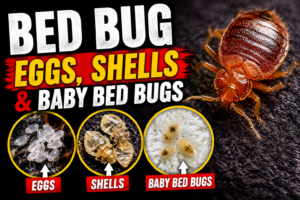
Bed bug eggs are tiny, white, and about the size of a pinhead. Homeowners often notice bed bug eggs on sheets, mattress seams, or furniture cracks during severe infestations.
The eggs are sticky and cling to surfaces, which makes them difficult to remove with ordinary cleaning.
Bed Bug Feces and Stains
Another major indicator is bed bug feces. These appear as:
- Tiny black dots
- Rust-colored stains
- Smears on bed sheets
- Dark spots near mattress seams
Bed bug bed sheet stains are often mistaken for dirt or mold, but they are actually digested blood left behind by the insects.
Early Signs of Bed Bugs
Catching an infestation early makes treatment significantly easier. The early signs of bed bugs are often subtle, which is why many infestations grow unnoticed for weeks.
Here are the most common warning signs:
1. Unexplained Bite Marks
Small itchy bites appearing overnight are often the first clue. These bites usually appear on exposed skin such as:
- Arms
- Neck
- Face
- Legs
- Hands
2. Blood Spots on Sheets
Tiny blood stains on pillowcases or sheets may occur when bed bugs are crushed after feeding.
3. Dark Fecal Spots
Bed bug feces leave dark brown or black stains on bedding, mattresses, and walls.
4. Musty Odor
Larger infestations often create a sweet, musty smell caused by bed bug scent glands.
5. Shed Skins
As bed bugs grow, they shed their outer skin. These empty shells are commonly found near hiding areas.
Bed Bug Bites: Symptoms and Identification
Many people first discover an infestation because of bed bug bites. However, reactions vary from person to person.
What Do Bed Bug Bites Look Like?
People frequently search: “What does bed bugs bites look like?”
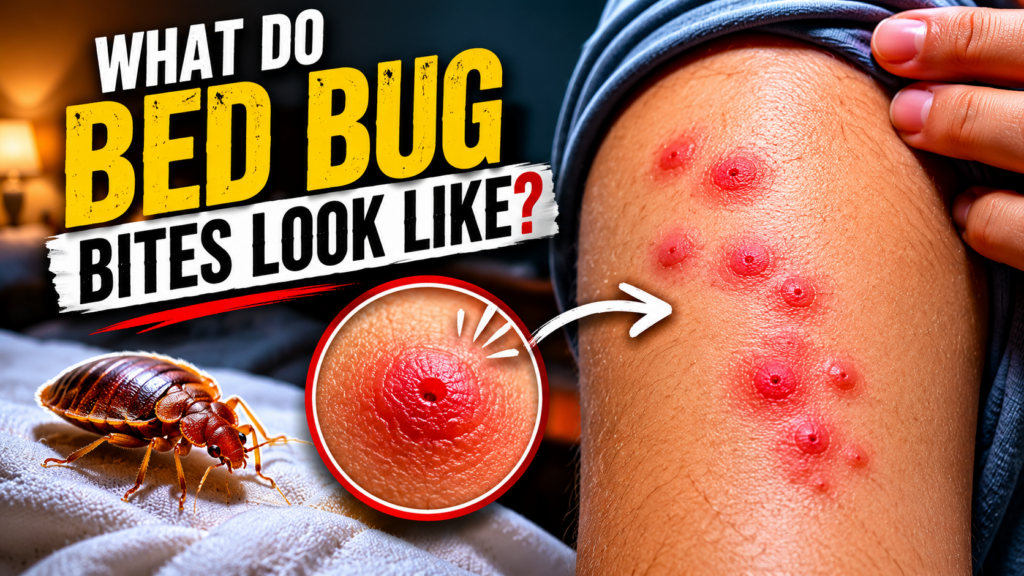
Typical characteristics include:
- Red, swollen bumps
- Intense itching
- Clusters or zigzag patterns
- Small raised welts
Bed bug bites often appear in rows because the insect may feed multiple times while moving across the skin.
Difference Between Bed Bug Bites and Flea Bites
A common confusion involves the term “bed bug flea.” Although both pests bite humans, they are different insects.
Flea Bites:
- Usually around ankles and lower legs
- Smaller red spots
- Common in homes with pets
Bed Bug Bites:
- Common on the upper body
- Often appear in lines or clusters
- Usually occurs during sleep
Do Bed Bug Bites Spread Disease?
Current research shows bed bugs are not known to spread diseases to humans. However, bites can still cause:
- Allergic reactions
- Skin irritation
- Sleep disruption
- Anxiety and stress
- Secondary infections from scratching
Some individuals experience no reaction at all, which can delay identification.
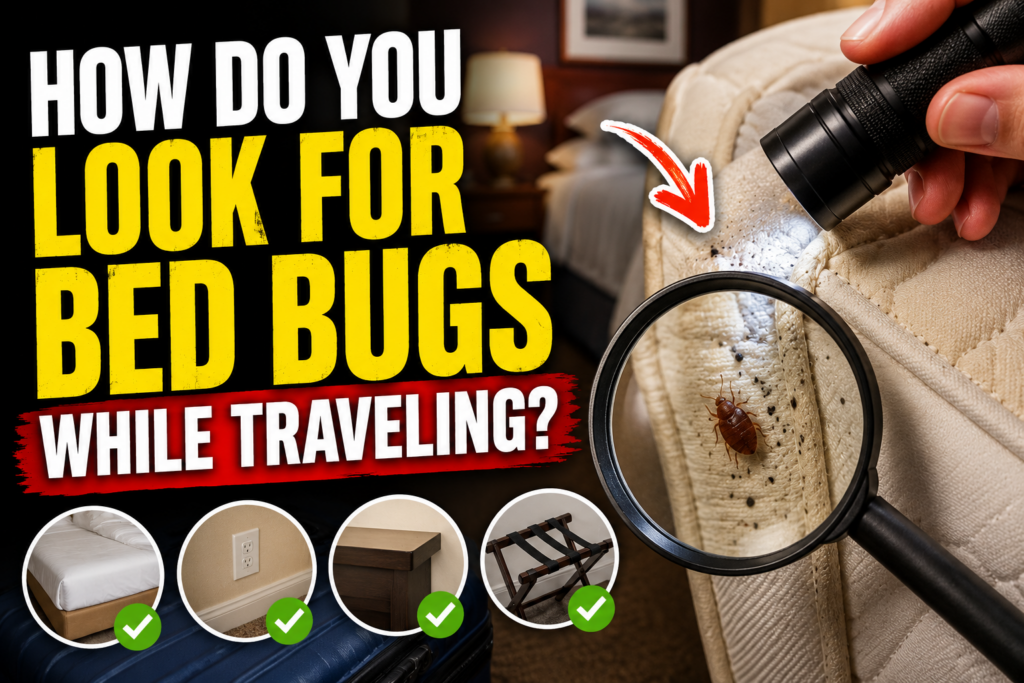
How to Check for Bed Bugs
Knowing how to check for bed bugs properly is critical for early detection.
Inspect the Mattress
Carefully examine:
- Mattress seams
- Tags and labels
- Tufts and folds
- Box spring edges
Use a flashlight to look for live insects, eggs, feces, or stains.
Check Furniture
Bed bugs frequently hide in:
- Headboards
- Nightstands
- Upholstered furniture
- Sofa cushions
- Wooden cracks
Inspect Bedding
Search for:
- Bed bug eggs on sheets
- Rust-colored spots
- Shed skins
- Tiny moving insects
Examine Walls and Baseboards
Infestations may spread behind:
- Wallpaper
- Electrical outlets
- Picture frames
- Baseboards
Use Monitoring Tools
Bed bug interceptors and glue traps can help confirm activity around beds and furniture.
How Do You Look for Bed Bugs While Traveling?
Travel is one of the most common ways infestations spread. Learning how do u look for bed bugs in hotels can prevent bringing them home.
Hotel Inspection Checklist
Before unpacking:
- Check mattress seams
- Inspect headboards
- Look behind bedside tables
- Examine luggage racks
- Search for stains or live insects
Protect Your Luggage
- Keep luggage elevated
- Avoid placing bags on beds
- Use sealed laundry bags
- Wash clothing immediately after travel
These simple habits significantly reduce infestation risk.
Common Places Bed Bugs Hide
Bed bugs are skilled at hiding in tight spaces close to humans.
Primary Hiding Areas
- Mattresses
- Box springs
- Bed frames
- Headboards
- Bedside furniture
Secondary Hiding Areas
- Curtains
- Electrical outlets
- Carpets
- Clothing piles
- Upholstered chairs
Severe infestations may spread throughout entire homes.
How Bed Bugs Spread
Bed bugs are excellent hitchhikers. They commonly spread through:
- Luggage
- Used furniture
- Shared laundry facilities
- Public transportation
- Hotel stays
Unlike cockroaches, bed bugs do not invade homes searching for food scraps. They follow human activity and warmth.
Apartment buildings are particularly vulnerable because bed bugs can travel between walls and floors.
Bed Bug Life Cycle
Understanding the bed bug life cycle helps explain why infestations are difficult to eliminate.
Egg Stage
Female bed bugs can lay hundreds of eggs during their lifetime. Eggs hatch within about 6–10 days.
Nymph Stage
Young bed bugs molt several times before adulthood. They require blood meals between molts.
Adult Stage
Adults can survive several months without feeding under favorable conditions.
Because eggs continue hatching after treatment, multiple treatment rounds are often necessary.
Bed Bug Treatment Options
Choosing the right bed bug treatment depends on infestation severity.
1. Cleaning and Decluttering
Begin by:
- Washing bedding in hot water
- Vacuuming furniture thoroughly
- Reducing clutter
- Sealing infested items in bags
Heat above 120°F (49°C) effectively kills bed bugs and eggs.
2. Steam Treatment
Steam penetrates fabrics and cracks where bed bugs hide. Professional steamers are highly effective for mattresses and furniture.
3. Mattress Encasements
Special encasements trap bed bugs inside mattresses and box springs, preventing feeding and reproduction.
4. Chemical Treatments
Insecticides may help control infestations, but improper use can worsen the problem.
Always:
- Follow label instructions
- Avoid overapplication
- Use products specifically labeled for bed bugs
5. Professional Extermination
Severe infestations often require professional pest control.
Professionals may use:
- Heat treatment
- Chemical applications
- Whole-room fumigation
- Targeted insecticides
Professional heat treatments are among the most effective solutions because they kill all life stages simultaneously.
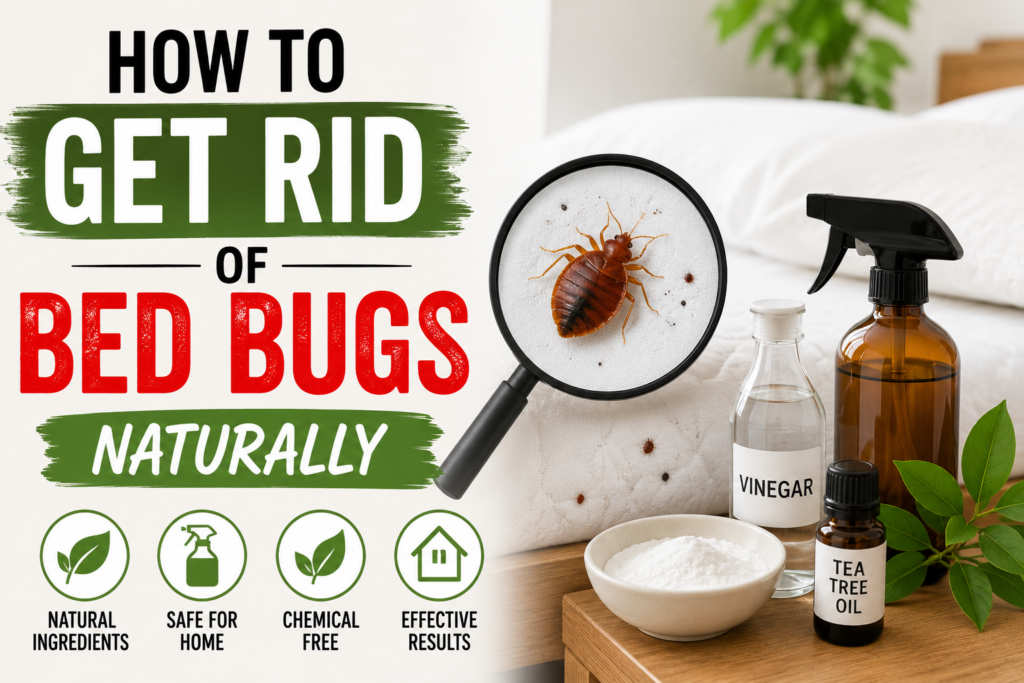
How to Get Rid of Bed Bugs Naturally
Many homeowners prefer natural removal methods before using chemicals.
Wash and Dry on High Heat
Heat is one of the most reliable natural killers of bed bugs.
Wash:
- Sheets
- Blankets
- Clothing
- Pillowcases
Dry items at high temperatures for at least 30 minutes.
Vacuum Thoroughly
Vacuum:
- Mattress seams
- Carpets
- Furniture cracks
- Baseboards
Immediately seal and dispose of vacuum bags outdoors.
Use Steam
High-temperature steam effectively destroys eggs and adults hidden deep in fabrics.
Reduce Clutter
Clutter creates hiding spaces and makes treatment more difficult.
Seal Cracks
Seal wall cracks, furniture gaps, and crevices to limit hiding spots.
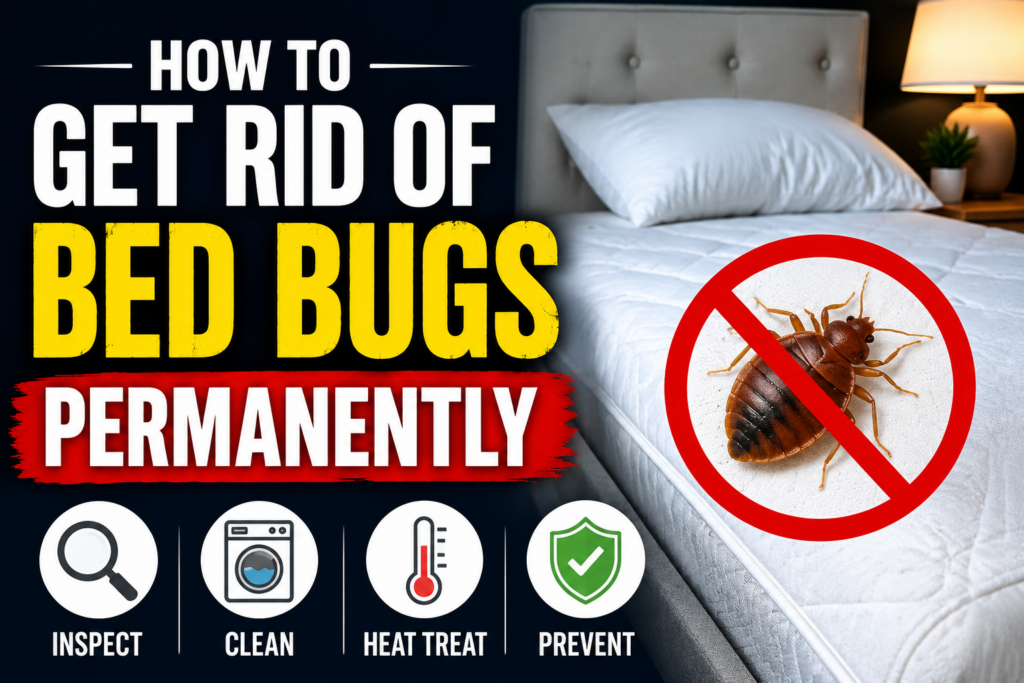
How to Get Rid of Bed Bugs Permanently
If you are wondering how to get rid of bed bugs permanently, the key is combining multiple treatment strategies.
Integrated Pest Management (IPM)
Experts recommend Integrated Pest Management, which includes:
- Inspection
- Monitoring
- Heat treatment
- Vacuuming
- Chemical control when necessary
- Follow-up inspections
Consistency is critical because missing even a few eggs can restart the infestation.
Can Bed Bugs Live Without a Host?
Bed bugs are highly resilient insects.
Adults can survive:
- Several months without feeding
- Longer in cool environments
This survival ability makes infestations difficult to eliminate simply by leaving a room unused.
Myths About Bed Bugs
There are many misconceptions surrounding infestations.
Myth 1: Bed Bugs Only Affect Dirty Homes
False. Cleanliness does not prevent infestations.
Myth 2: Bed Bugs Are Too Small to See
False. Adult bed bugs are visible without magnification.
Myth 3: Bed Bugs Transmit Diseases
Currently, there is no strong evidence showing they spread diseases to humans.
Myth 4: DIY Sprays Always Work
Over-the-counter sprays alone rarely eliminate large infestations.
How to Prevent Bed Bugs
Prevention is easier and less expensive than treatment.
Inspect Used Furniture
Avoid bringing secondhand mattresses or furniture into your home without careful inspection.
Use Mattress Covers
Protective encasements reduce hiding opportunities.
Reduce Clutter
Organized spaces make inspections easier.
Be Cautious While Traveling
Inspect hotel rooms and wash clothing after returning home.
Regular Inspections
Routine inspections help detect infestations before they become severe.
Psychological Effects of Bed Bug Infestations
Bed bugs do not only affect physical comfort. Infestations can also impact mental health.
Many people experience:
- Stress
- Anxiety
- Sleep disturbances
- Embarrassment
- Social isolation
Persistent infestations may lead to chronic sleep deprivation and emotional exhaustion.
Seeking professional support and acting quickly can reduce emotional strain.
When to Call a Professional
Some infestations become too widespread for DIY methods alone.
You should contact a pest control expert if:
- Infestations spread to multiple rooms
- Repeated treatments fail
- You continue finding live bugs
- Bites persist for weeks
- Apartment neighbors are affected
Professional exterminators have access to advanced equipment and treatment strategies unavailable to homeowners.
Final Thoughts
Bed bugs are persistent pests that require quick identification and proper treatment. Understanding what does bed bugs look like, recognizing bed bug bites, spotting bed bug feces, and learning how to check for bed bugs can help prevent a small issue from becoming a major infestation.
The most successful approach combines early detection, cleaning, heat treatment, monitoring, and professional assistance when needed. Whether you are dealing with bed bug eggs on sheets, mysterious bites, or stains on bedding, taking immediate action is essential.
By staying informed and proactive, homeowners can successfully eliminate infestations and protect their homes from future outbreaks.
FAQs About Bed Bgs
Are Bed Bugs Visible to the Human Eye?
Yes. Adult bed bugs are about the size of an apple seed and can be seen without magnification.
Can Bed Bugs Live in Hair?
Bed bugs may crawl on hair temporarily, but they do not live in hair like lice.
Do Bed Bugs Only Bite at Night?
They are most active at night, but hungry bed bugs may feed during the day if necessary.
Can Bed Bugs Survive Washing Machines?
Washing alone may not kill all bugs, but high dryer heat is highly effective.
What Kills Bed Bugs Instantly?
High heat, steam, and professional extermination treatments are among the fastest and most effective methods.