Bed bugs are among the most frustrating household pests, capable of hiding in mattresses, furniture, carpets, and even small cracks in walls. Once they establish themselves indoors, they can be difficult to eliminate without the right treatment approach. Choosing an effective bed bug spray can make a significant difference in controlling an infestation and preventing it from spreading throughout your home.
Modern pest control solutions range from chemical treatments to natural alternatives designed to target bed bugs at different stages of their life cycle. Some products kill on contact, while others provide residual protection that continues working for weeks after application. Homeowners may also combine sprays with other control methods, such as bed bug traps and cleaning routines, for better results.
In this guide, we’ll explore the best options available for treating infestations, explain how different products work, and discuss additional solutions that can help create a comprehensive bed bug management plan for your home.
How to Choose the Right Bed Bug Spray for Your Home
Selecting the right bed bug spray depends on the severity of the infestation, the areas being treated, and your household’s specific needs. While some products are designed to kill bed bugs on contact, others leave behind residual ingredients that continue working long after application.
When evaluating a bed bug spray for home use, look for products that target both adult bed bugs and their eggs. This helps reduce the chances of reinfestation and improves overall treatment effectiveness. Many homeowners also prefer low-odor or non-staining formulas that can be safely applied around mattresses, furniture, and baseboards.
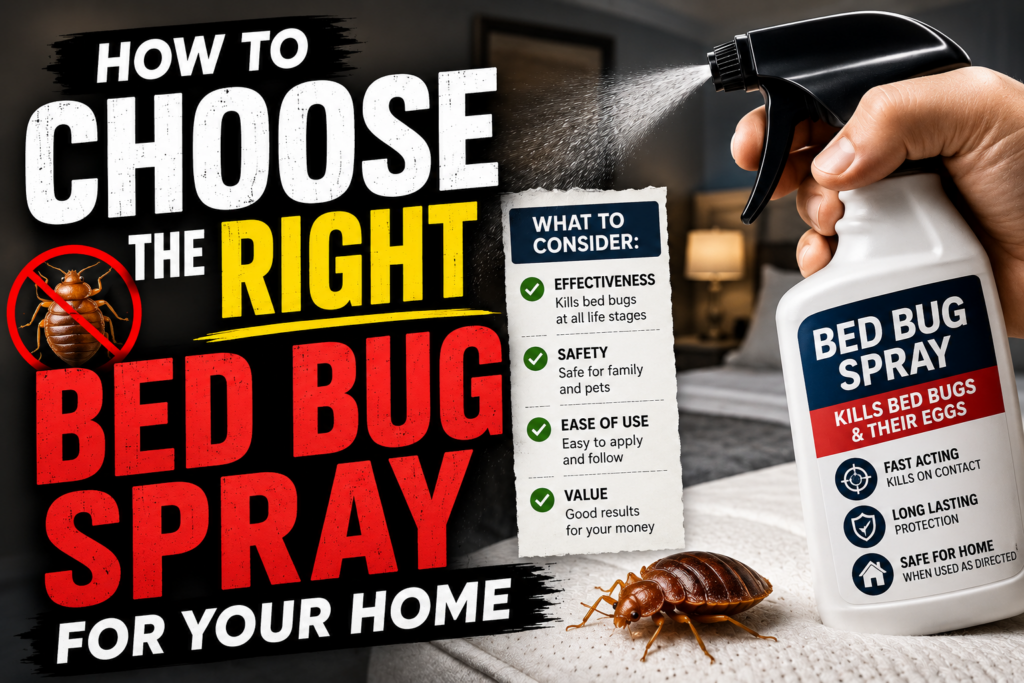
Another important consideration is whether the product uses chemical or natural ingredients. Natural solutions may appeal to households with children or pets, while professional-strength formulas often provide faster results for larger infestations. Reading application instructions carefully is essential to ensure safe and effective use.
Combining sprays with preventive measures such as regular vacuuming, laundering bedding in hot water, and monitoring problem areas can significantly improve treatment success. Choosing a product that matches your situation will make the pest control process more efficient and help restore comfort to your living space.
Best Bed Bug Spray Products to Consider
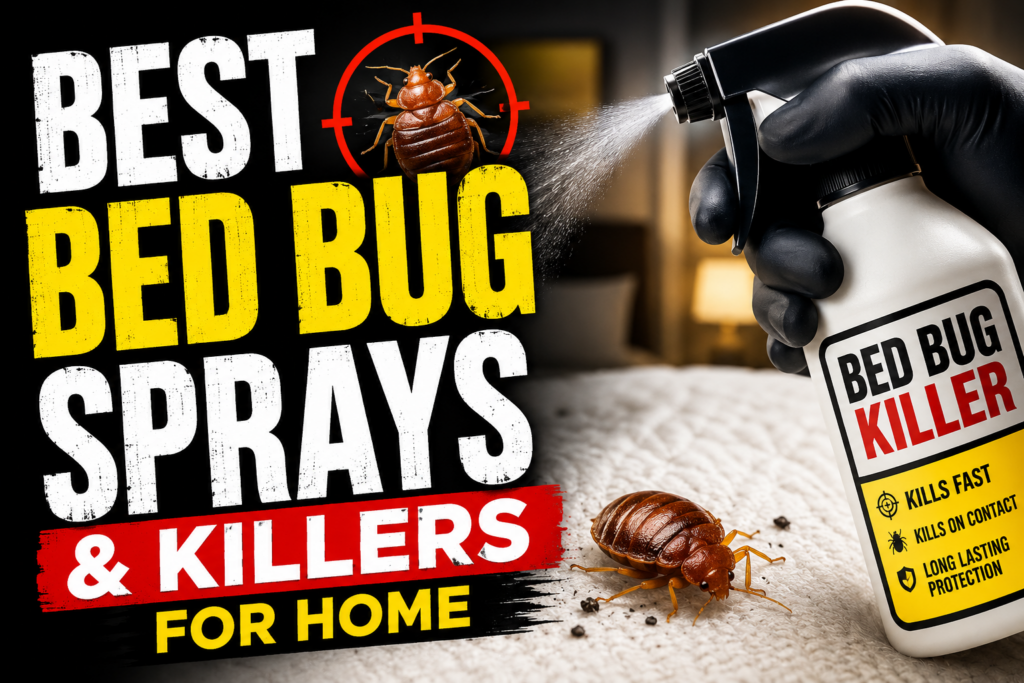
Finding the best bed bug spray often comes down to selecting a product that offers both immediate results and lasting protection. Different formulations are designed for different situations, so understanding their strengths can help you make a more informed decision.
Contact-Kill Bed Bug Spray Solutions
A contact-kill bed bug spray works immediately when it comes into direct contact with the insects. These products are useful for treating visible bed bugs found on mattresses, bed frames, furniture, and other hiding spots. While they provide fast results, they may need to be combined with additional treatments to address hidden eggs and bugs that escape direct exposure.
Residual Bed Bug Spray Treatments
Residual bed bug spray products continue working after they have been applied, creating a protective barrier on treated surfaces. This ongoing action helps eliminate bed bugs that emerge from hiding places days or even weeks later. Many homeowners use residual treatments as part of a long-term pest management strategy because they help reduce the risk of recurring infestations.
For the best results, follow label instructions carefully and apply treatments to common hiding areas such as cracks, crevices, baseboards, and furniture joints. Consistent monitoring and follow-up treatments can further improve effectiveness and help maintain a bed bug-free home.
Other Effective Bed Bug Killer Methods
While sprays are often the first line of defense, combining them with other treatment methods can improve overall results. A quality bed bug killer strategy focuses on eliminating active insects while also preventing future infestations from developing.
One popular option is using diatomaceous earth bed bugs treatments. This natural powder works by damaging the protective outer layer of bed bugs, eventually causing them to dehydrate. It can be applied in cracks, crevices, behind furniture, and other areas where bed bugs are likely to hide. Although it may take longer to work than sprays, it can remain effective for extended periods when kept dry.
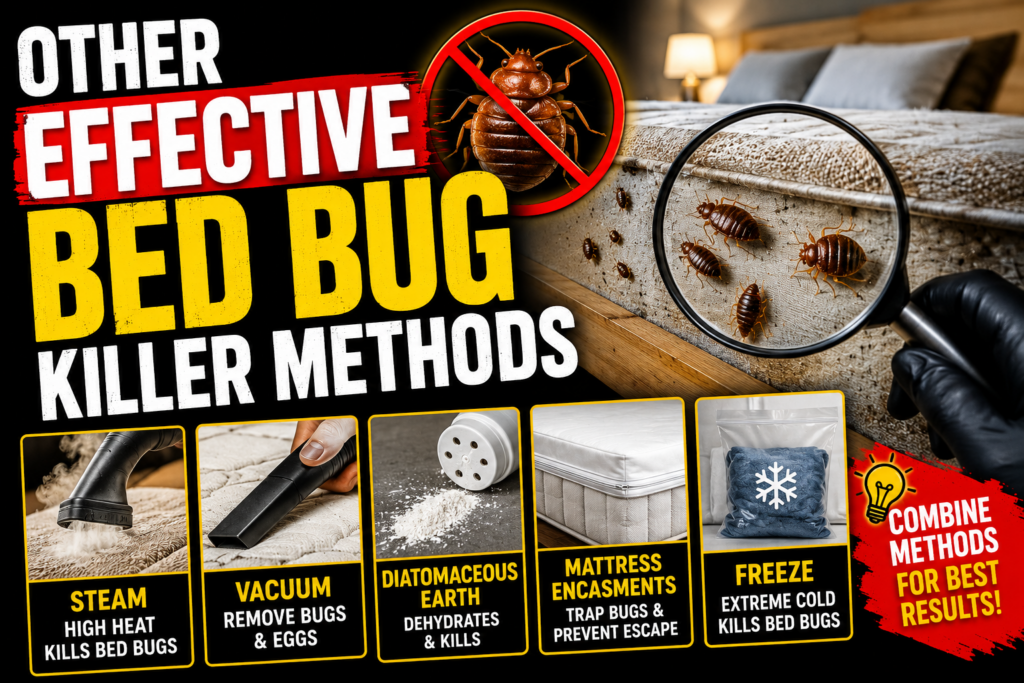
Another useful tool is bed bug traps, which help monitor activity and identify areas with higher infestation levels. These traps are commonly placed under bed legs or near furniture to capture insects as they move around the room. While traps alone typically won’t eliminate an infestation, they can provide valuable information about treatment effectiveness.
For severe infestations, homeowners may also consider heat treatments, thorough cleaning routines, and professional pest control services. Combining multiple control methods often delivers the most reliable and long-lasting results.
Final Thoughts on Choosing a Bed Bug Spray
Selecting the right bed bug spray is an important step toward controlling and eliminating an infestation. The most effective products target bed bugs at multiple life stages while providing enough coverage to reach common hiding areas throughout the home.
Whether you choose a fast-acting contact treatment or a longer-lasting residual formula, consistency is key. Combining sprays with proper cleaning practices, monitoring tools, and preventive measures can significantly improve treatment success. Homeowners who act quickly often find it easier to manage infestations before they spread to additional rooms or furniture.
By understanding the strengths of different treatment options and applying them correctly, you can create a more effective pest control plan and maintain a healthier, more comfortable living environment.
FAQs
What is the best bed bug spray for home use?
The best option depends on the size of the infestation and the areas being treated. Many homeowners prefer products that offer both contact-kill and residual protection for more complete coverage.
How long does a bed bug killer take to work?
Some treatments kill bed bugs immediately upon contact, while others may require several days or weeks to eliminate hidden insects and newly hatched bugs.
Can diatomaceous earth bed bugs treatments replace sprays?
Diatomaceous earth can be an effective supplemental treatment, but it is often most successful when used alongside sprays and other pest control methods.
Do bed bug traps eliminate infestations?
Bed bug traps are primarily monitoring tools. They can help detect activity and track treatment progress, but they are usually not sufficient to eliminate an infestation on their own.