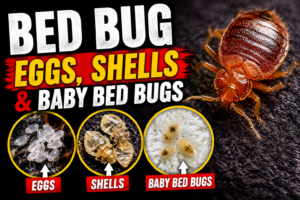
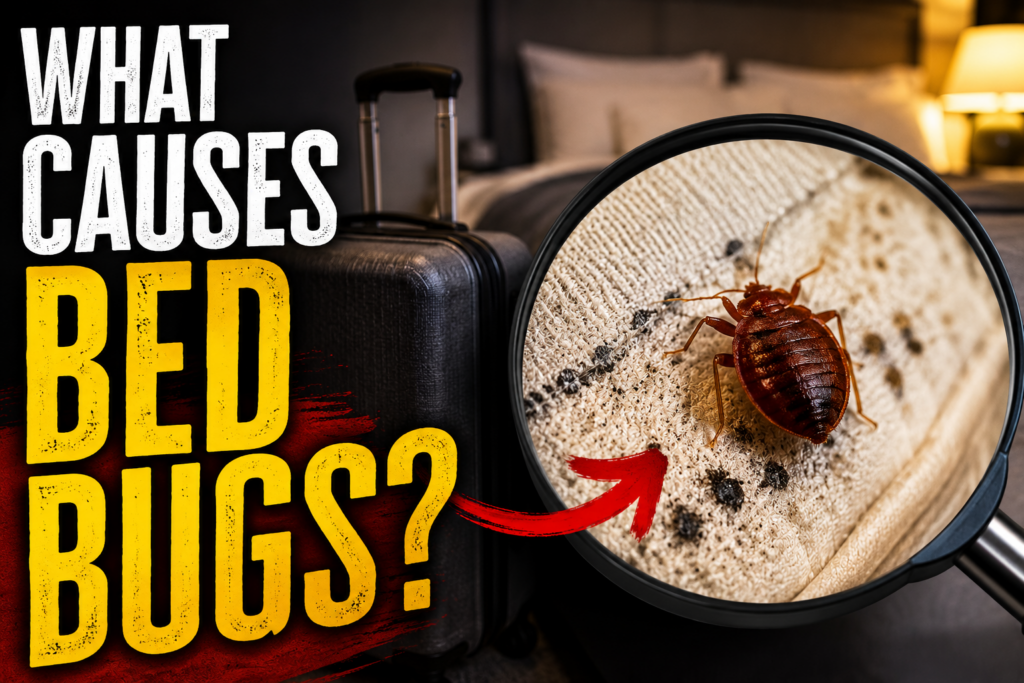
Bed bugs are among the most frustrating household pests in the United States. These tiny insects feed on human blood and often hide in mattresses, furniture, cracks, and other hard-to-reach places. Once they enter a home, they can spread quickly and become difficult to eliminate without proper treatment.
Many homeowners assume that bed bug infestations are linked to poor hygiene, but that is a common misconception. Bed bugs can appear in clean homes, luxury hotels, apartment buildings, and even office spaces. Understanding the Causes Bed Bugs infestations is the first step toward preventing them and protecting your living environment.
If you have ever wondered what causes bed bugs, the answer is usually related to how they are transported from one location to another. Unlike ants or cockroaches, bed bugs do not appear because of food crumbs or dirty conditions. Instead, they are expert hitchhikers that travel on luggage, clothing, furniture, and personal belongings.
In this guide, we will explain where bed bugs come from, how infestations begin, and the most common ways people unknowingly bring these pests into their homes.
Understanding the Causes Bed Bugs Infest Homes
To effectively prevent an infestation, it is important to understand the most common Causes Bed Bugs problems in homes and residential properties. Bed bugs do not fly or jump like some other insects. Instead, they crawl from one place to another and rely on human activity to travel long distances.
One of the biggest misconceptions is that bed bugs are attracted to dirt or clutter. While clutter can provide additional hiding spots, it is not the reason an infestation starts. Bed bugs are primarily attracted to warmth, carbon dioxide, and easy access to human hosts.
Many people ask, where do bed bugs come from when they suddenly discover bites or notice insects around their beds. In most cases, the pests were unknowingly carried into the home from another infested location. Hotels, public transportation, schools, offices, movie theaters, and apartment complexes can all serve as sources of exposure.
Another factor that contributes to infestations is the movement of secondhand items. Used furniture, mattresses, couches, and even clothing can harbor bed bugs if they are not carefully inspected before being brought indoors. Since these insects are skilled at hiding in seams, folds, and tiny cracks, they can remain unnoticed for weeks or even months.
Understanding these risk factors helps homeowners identify potential sources of exposure and take proactive steps to reduce the likelihood of a bed bug problem.
How Do Bed Bugs Start in a Home?
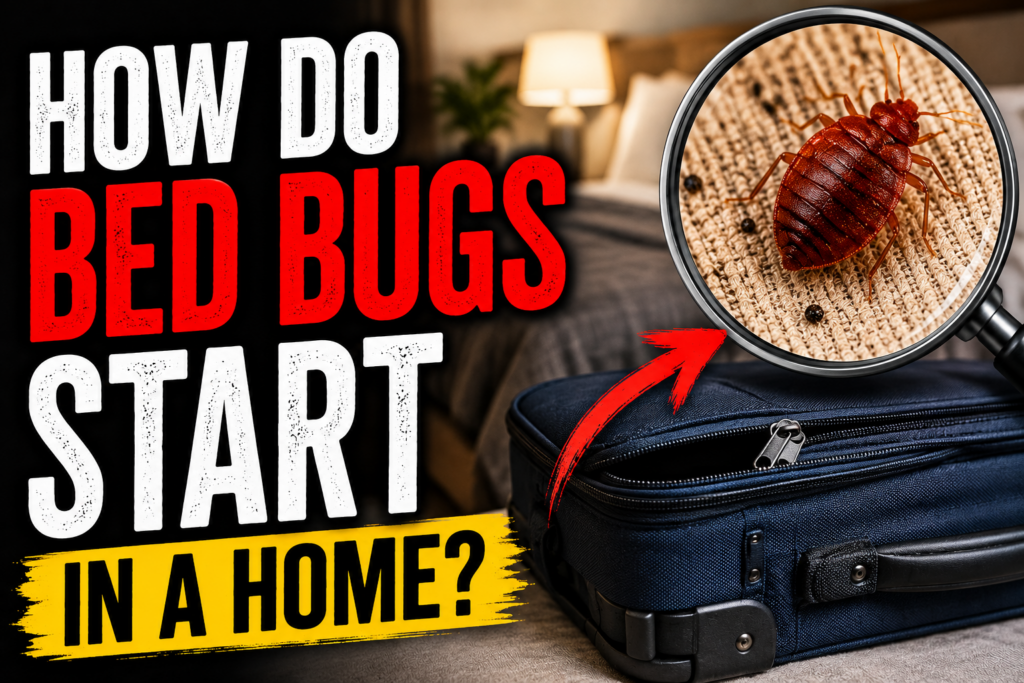
One of the most common questions homeowners ask is how do bed bugs start in the first place. Unlike termites or ants that may establish colonies around a property, bed bugs usually begin with just a few insects being transported into a new environment.
A typical infestation starts when a bed bug, or several bed bugs, hitch a ride on personal belongings. They may hide inside luggage after a hotel stay, cling to clothing after visiting an infested location, or travel in bags, backpacks, and other personal items. Once inside a home, they seek out hiding places close to where people sleep.
Travel-Related Exposure
Travel is one of the leading contributors to the Causes Bed Bugs infestations seen across the United States. Hotels, motels, vacation rentals, airports, buses, and trains experience a constant flow of visitors, creating opportunities for bed bugs to spread from one location to another.
Travelers may unknowingly bring the insects home inside suitcases, laundry bags, or personal belongings. Even a short stay in an infested room can be enough for bed bugs to attach themselves to items and travel back with you.
Shared Living Environments
Apartment buildings, dormitories, assisted living facilities, and multi-unit housing complexes can also contribute to new infestations. Because bed bugs can move through wall voids, electrical outlets, and small structural openings, they may spread from one unit to another without residents realizing it.
This is one reason why infestations can occur even when a resident has not recently traveled or purchased used furniture. In shared housing environments, bed bugs may simply migrate from a nearby infested area in search of a new host.
How Do You Get Bed Bugs? Common Ways They Spread
Many people wonder how do you get bed bugs when they have never experienced an infestation before. The truth is that anyone can encounter bed bugs regardless of income level, cleanliness, or lifestyle. These pests are highly adaptable and depend on human movement to reach new locations.
Understanding the most common transmission methods can help reduce your risk of bringing bed bugs into your home.
Bringing Home Infested Items
Used furniture and household goods are frequent sources of bed bug introductions. Mattresses, box springs, couches, recliners, and upholstered chairs may contain hidden insects or eggs. Because bed bugs can survive for extended periods without feeding, an item may appear safe even when it is infested.
Before purchasing or accepting secondhand items, inspect seams, folds, and hidden crevices for signs of bed bugs, including dark stains, shed skins, or tiny eggs.
Contact With Infested Locations
Another answer to the question bed bugs how do you get them is through exposure to infested environments. Hotels, public transportation, office buildings, waiting rooms, and educational facilities can occasionally harbor bed bugs.
Although the insects prefer to remain hidden, they may crawl onto bags, jackets, purses, or other belongings when given the opportunity. Once transported home, they can establish themselves near sleeping areas and begin reproducing.
Visitors and Shared Belongings
Bed bugs can also spread through shared belongings and personal interactions. Overnight guests, borrowed furniture, shared laundry facilities, and moving trucks may unintentionally introduce these pests into a home.
While this method is less common than travel-related exposure, it still represents a potential pathway for infestation. Taking precautions and inspecting items before bringing them indoors can significantly reduce the chances of a problem developing.
Major Causes Bed Bugs Infestations Continue to Grow
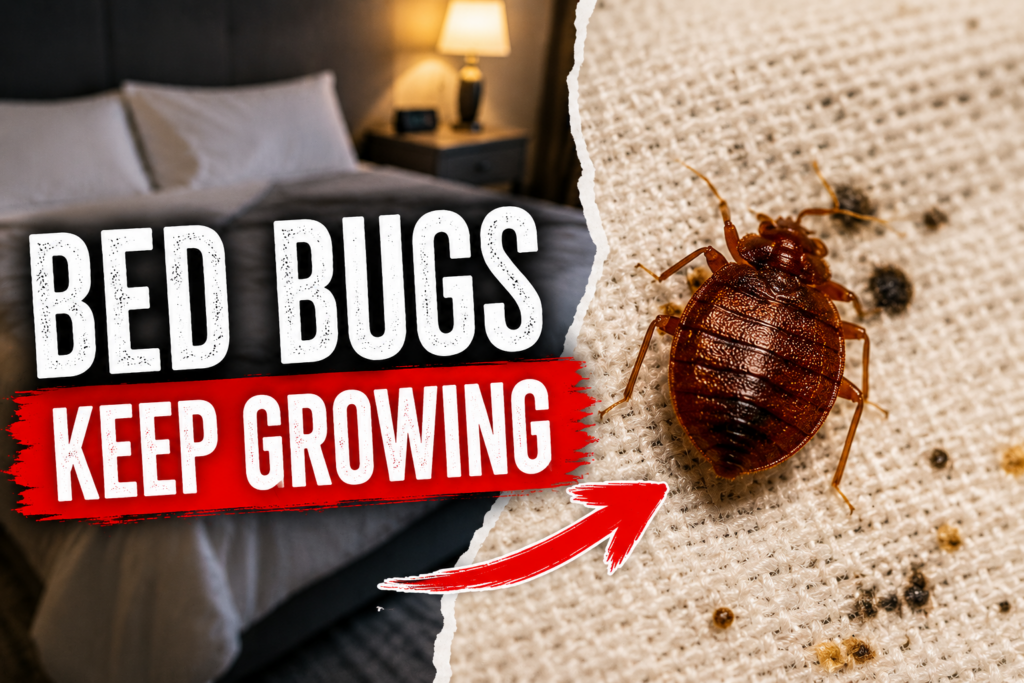
Although bed bugs have existed for centuries, infestations have become more common in recent decades. Several factors help explain why these pests continue to spread across homes, hotels, and commercial properties throughout the United States.
Understanding the ongoing Causes Bed Bugs infestations can help homeowners recognize potential risks and take preventive action before a small problem turns into a larger one.
Increased Travel and Mobility
Modern travel has made it easier than ever for bed bugs to move between cities, states, and countries. Millions of people travel every day for work, vacations, and personal reasons. As luggage and personal belongings move from place to place, bed bugs gain more opportunities to spread.
A single insect hiding in a suitcase can eventually lead to a significant infestation once it reaches a new location.
Resistance to Some Treatments
Another reason infestations persist is that bed bugs have developed resistance to certain pesticides that were once highly effective. This adaptation allows some populations to survive treatments that previously eliminated them.
As a result, professional pest management strategies often combine multiple treatment methods, including heat treatments, monitoring programs, and targeted insecticide applications.
Difficulty Detecting Early Infestations
Bed bugs are experts at remaining hidden. During the day, they typically stay inside mattress seams, bed frames, furniture joints, wall cracks, and other concealed spaces. Because of their small size and secretive behavior, infestations often go unnoticed until populations increase.
By the time bites become frequent or visible signs appear, dozens or even hundreds of bed bugs may already be present. Early detection and prompt action remain critical for preventing widespread infestations.
Preventing the Causes Bed Bugs Infestations Before They Start
While bed bugs are difficult to avoid completely, homeowners can take practical steps to reduce the risk of bringing them indoors. Prevention is often easier and less expensive than dealing with a full-scale infestation.
When traveling, inspect hotel mattresses, headboards, and nearby furniture for signs of bed bugs. Keep luggage elevated on racks instead of placing it directly on beds or carpeted floors. After returning home, wash and dry travel clothing on high heat whenever possible.
Used furniture should always be carefully examined before entering a home. Pay close attention to seams, cushions, folds, and hidden crevices where bed bugs commonly hide. If there is any doubt about an item’s condition, it is usually safer to avoid bringing it inside.
Regular inspections can also help identify problems early. Check mattresses, box springs, bed frames, and upholstered furniture for signs such as dark spotting, shed skins, or live insects. Early detection greatly increases the chances of controlling an infestation before it spreads.
Conclusion
Bed bugs are not caused by poor housekeeping or unclean living conditions. Instead, they typically spread by hitchhiking on luggage, clothing, furniture, and other personal belongings. Understanding the Causes Bed Bugs infestations helps homeowners recognize risk factors and take preventive measures before an infestation develops.
Whether the insects are introduced through travel, secondhand furniture, shared living environments, or contact with infested locations, awareness remains the best defense. By practicing careful inspection habits and addressing potential issues quickly, homeowners can significantly reduce their chances of experiencing a bed bug problem and protect their homes from future infestations.
Frequently Asked Questions
What causes bed bugs to appear suddenly?
Bed bugs often seem to appear suddenly because they can remain hidden for weeks before their presence becomes noticeable. In most cases, they are introduced through luggage, clothing, furniture, or other personal belongings that have been exposed to an infested location.
Where do bed bugs come from originally?
Bed bugs can come from many places, including hotels, apartment buildings, public transportation, offices, schools, and secondhand furniture. They do not originate from dirt or poor sanitation but instead spread by hitchhiking from one location to another.
How do you get bed bugs if your house is clean?
A clean home can still develop a bed bug infestation. These pests are attracted to people rather than dirt. They may enter a home through travel, used furniture, visitors, or shared living environments regardless of cleanliness.
Can bed bugs spread from one apartment to another?
Yes. Bed bugs can move between apartments through wall voids, electrical outlets, plumbing openings, and other small structural gaps. This is one reason infestations can occur in multi-unit housing complexes.
How can I prevent bed bugs from entering my home?
You can reduce your risk by inspecting hotel rooms during travel, checking used furniture before bringing it indoors, regularly examining sleeping areas, and washing travel clothing on high heat after returning home.