Bed bugs are small, blood-feeding insects that can hide in some of the most unexpected places inside a home. Because they are excellent at staying out of sight during the day, infestations often go unnoticed until bites or visible signs begin to appear. Learning how to identify these pests early can help prevent a minor issue from becoming a widespread infestation.
Many homeowners wonder how do you know if you have bed bugs before the problem becomes serious. The answer lies in recognizing the warning signs and performing a careful inspection of common hiding areas. Whether you are concerned about your bedroom, furniture, or recent travel exposure, understanding the inspection process is the first step toward effective control.
Why It’s Important to Check for Bed Bugs Early
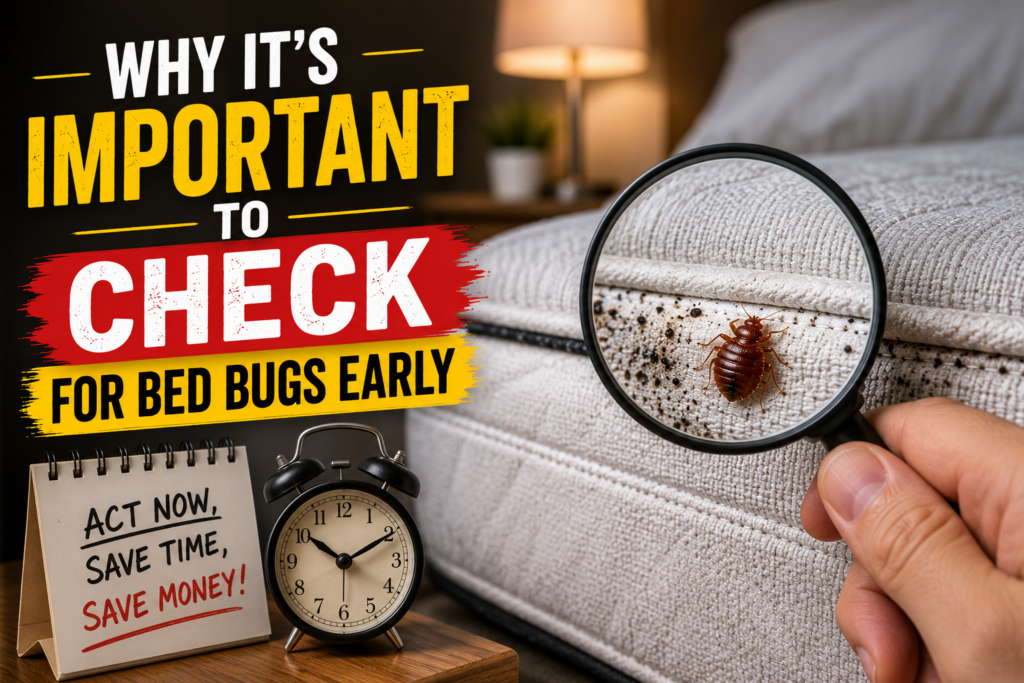
The sooner you Check for Bed Bugs, the easier it is to contain an infestation and reduce the risk of it spreading throughout your home. Bed bugs reproduce quickly, and a small population can grow significantly within a few months if left untreated.
Early detection can also help minimize discomfort caused by bites and reduce the cost of professional treatment. Many people begin searching for information on how to check for bed bugs after noticing unexplained bites or small stains on bedding, but visible bites alone are not always reliable evidence.
Common Signs That May Indicate Bed Bugs
Before performing a full inspection, look for these common indicators:
- Small reddish-brown insects around sleeping areas
- Tiny dark spots on sheets, mattresses, or furniture
- Shed skins left behind as bed bugs mature
- Clusters of itchy bites that appear overnight
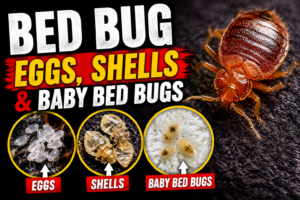
- Small white eggs or eggshells hidden in cracks and seams
How to Tell If You Have Bed Bugs Before Seeing One
One of the biggest challenges is that bed bugs are experts at hiding. If you’re wondering how to tell if you have bed bugs, focus on the evidence they leave behind rather than trying to spot a live insect immediately.
Blood spots on bedding, dark fecal stains, and shed skins are often easier to find than the bugs themselves. These signs typically appear near sleeping areas because bed bugs prefer to remain close to their food source while staying concealed during daylight hours.
How to Check for Bed Bugs in Your Bedroom
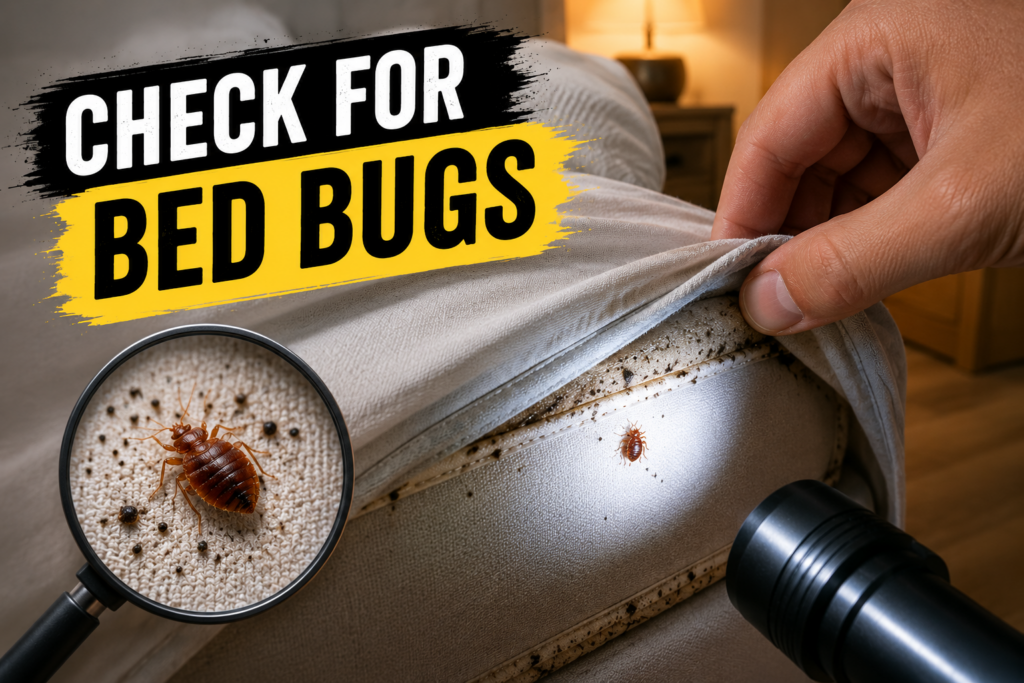
The bedroom is usually the first place to inspect because bed bugs prefer to stay close to where people sleep. If you’re wondering how can I check for bed bugs, start by gathering a flashlight, disposable gloves, and a magnifying glass if available. A thorough inspection requires looking into small cracks, seams, and hidden spaces where these pests commonly hide.
When you Check for Bed Bugs, move slowly and pay attention to areas that are rarely disturbed. Bed bugs can squeeze into spaces as thin as a credit card, making careful observation essential.
How to Check for Bed Bugs on a Mattress
One of the most common questions homeowners ask is how to check for bed bugs on a mattress. Begin by removing all bedding and examining the mattress surface under good lighting. Pay special attention to:
- Mattress seams and piping
- Tufts, folds, and labels
- Corners and edges
- Areas near the head of the bed
Look for live bed bugs, tiny white eggs, dark fecal spots, or shed skins. These signs often accumulate in protected areas where the insects can remain hidden during the day.
Inspect the Bed Frame and Nearby Furniture
To properly Check for Bed Bugs, don’t stop at the mattress. Bed bugs frequently hide in bed frames, headboards, nightstands, and nearby furniture. Use a flashlight to inspect:
- Joints and screw holes in the bed frame
- Cracks behind the headboard
- Drawer corners and tracks
- Upholstered furniture seams
If you’re researching how to inspect for bed bugs, remember that nearby furniture can harbor pests even when the mattress appears clean. A complete inspection should cover all areas within several feet of the bed, as bed bugs often travel short distances to feed and then return to their hiding places.
Where Else Should You Check for Bed Bugs?
Although bedrooms are the most common infestation sites, bed bugs can spread to many other areas of a home. To effectively Check for Bed Bugs, it’s important to inspect locations beyond the bed, especially if you suspect the infestation has been present for some time.
People searching for how to find bed bugs are often surprised to learn that these pests can hide in furniture, wall voids, and even personal belongings. A complete inspection should include all areas where bed bugs may remain undisturbed during the day.
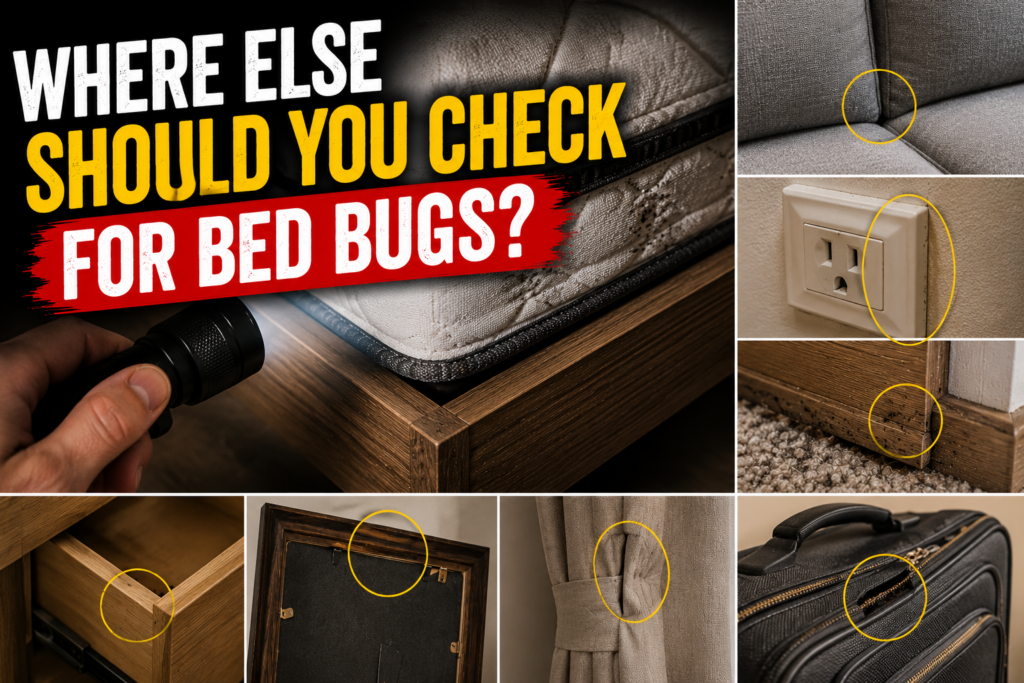
Hidden Places Bed Bugs Commonly Use
When learning how to look for bed bugs, examine these frequently overlooked locations:
- Baseboards and wall cracks
- Behind picture frames and wall decorations
- Curtains and curtain folds
- Electrical outlets and switch plates
- Couches, recliners, and upholstered chairs
- Luggage, backpacks, and storage containers
Bed bugs prefer dark, protected spaces that provide easy access to sleeping or resting humans. Even small gaps can provide suitable hiding spots.
Inspect Recently Traveled Items and Secondhand Furniture
Many infestations begin when bed bugs are accidentally brought into a home through luggage or used furniture. If you’re researching bed bug how to find infestation sources, recently acquired items should be high on your inspection list.
Carefully inspect:
- Suitcases and travel bags
- Clothing stored after travel
- Used mattresses and box springs
- Secondhand couches and chairs
- Wooden furniture with cracks or joints
Checking these items early can help identify a problem before bed bugs spread to multiple rooms. If evidence is found, isolate affected items immediately and consider professional treatment options to prevent further infestation.
How Do You Inspect for Bed Bugs Like a Professional?
A professional-style inspection focuses on identifying evidence rather than searching only for live insects. When you Check for Bed Bugs, patience and attention to detail are essential because these pests are masters of concealment.
Many homeowners ask how do you inspect for bed bugs effectively without specialized equipment. The key is to inspect systematically, moving from the bed outward and documenting any signs you discover.
What Evidence Should You Look For?
When performing an inspection, look for:
- Live bed bugs in cracks and seams
- Tiny white eggs and eggshells
- Brown or black fecal spots
- Shed skins from developing nymphs
- Small rust-colored blood stains on bedding
Finding multiple signs together is usually a stronger indicator of an infestation than finding a single clue.
How to Know If You Have Bed Bugs After an Inspection
After completing your inspection, review all evidence carefully. Many people wonder how to know if you have bed bugs when they cannot find a live insect. In most cases, recurring bites combined with fecal spots, shed skins, or eggs provide strong evidence that bed bugs are present.
If signs continue to appear but confirmation remains difficult, consider using bed bug interceptors under bed legs or contacting a licensed pest control professional for a more thorough evaluation. Early action can prevent the infestation from becoming larger and more difficult to eliminate.
Conclusion
Knowing how to Check for Bed Bugs properly can help you identify an infestation before it spreads throughout your home. Start by inspecting mattresses, bed frames, and nearby furniture, then expand your search to other common hiding places such as couches, baseboards, luggage, and secondhand items.
If you’re unsure how do u look for bed bugs, focus on the signs they leave behind, including fecal spots, shed skins, eggs, and blood stains. A careful, methodical inspection is often the most reliable way to detect these pests early and take appropriate action before the problem worsens.
Frequently Asked Questions
How can I check for bed bugs in my home?
Start by inspecting mattresses, bed frames, headboards, furniture seams, and nearby cracks. Look for live bugs, shed skins, eggs, and dark fecal spots. A flashlight can help reveal signs hidden in small spaces.
How do you know if you have bed bugs or another pest?
Bed bug infestations often leave clusters of itchy bites, blood stains on bedding, shed skins, and dark fecal spots. Unlike fleas, bed bugs are usually found close to sleeping areas and hide during the day.
How do I inspect for bed bugs after traveling?
Examine luggage, clothing, and personal belongings before bringing them into living areas. Pay attention to seams, pockets, zippers, and folds where bed bugs may hide after travel.
What is the easiest way to find bed bugs?
The easiest way to find bed bugs is to inspect mattress seams, box springs, bed frames, and furniture near sleeping areas. Evidence such as eggs, fecal spots, and shed skins is often easier to locate than live insects.
Can bed bugs live somewhere other than a mattress?
Yes. Bed bugs commonly hide in furniture, wall cracks, baseboards, electrical outlets, curtains, luggage, and upholstered items. They can survive in many locations as long as they remain close to a host.
When should I call a professional?
If you continue finding signs of bed bugs but cannot locate the source, or if the infestation appears widespread, professional pest control services can perform a more detailed inspection and recommend appropriate treatment options.