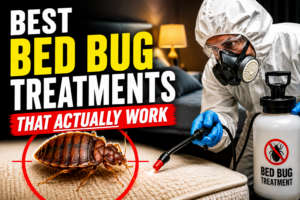
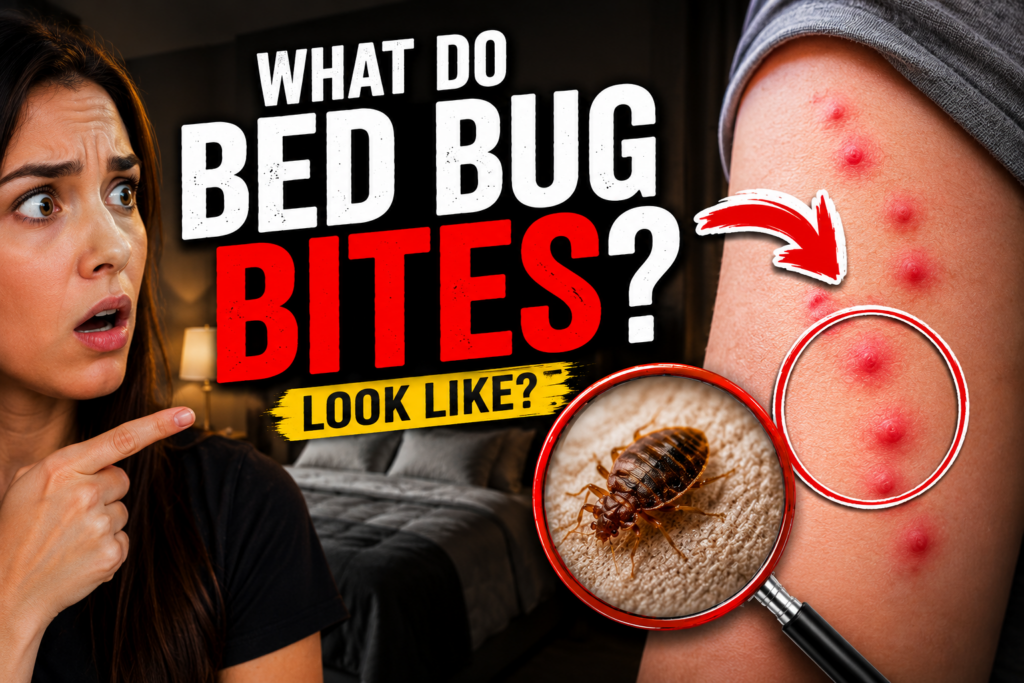
Many people mistake bed bug bites for mosquito bites, skin allergies, or minor rashes because the symptoms can appear very similar at first. In most cases, these bites show up as small, red, itchy bumps that appear in clusters or straight lines across exposed skin. Areas like the arms, neck, shoulders, and legs are especially common targets because bed bugs usually feed while a person is sleeping.
One reason people search for what do bed bug bites look like is that the appearance can vary from person to person. Some individuals develop noticeable swelling and irritation, while others may barely react at all. Early signs often include mild redness, itching, and irritation that gradually become more uncomfortable over time. Unlike random insect bites, bed bugs bites frequently appear close together, creating a patterned look that helps identify a possible infestation inside mattresses, bedding, or furniture.
How to Identify Bed Bug Bites on Skin
Identifying bed bug bite symptoms can be difficult because the marks often resemble other insect bites or common skin conditions. However, there are a few noticeable patterns that make these bites easier to recognize. A typical bed bug bite appears as a small raised bump with a darker center surrounded by mild swelling or redness. These marks usually develop overnight and are commonly found on exposed areas of the body, especially the arms, hands, neck, face, and lower legs.
One of the biggest clues is the bite pattern itself. Instead of appearing randomly, bed bugs bite in clusters or zigzag lines as they move across the skin while feeding. Many people also notice itching that becomes more intense during the morning. In some cases, early bed bug bites may look flat at first before becoming swollen later in the day. Looking closely at mattresses, sheets, and furniture for tiny blood spots or dark stains can also help confirm a possible infestation.
Bed Bug Bites vs Other Bug Bites
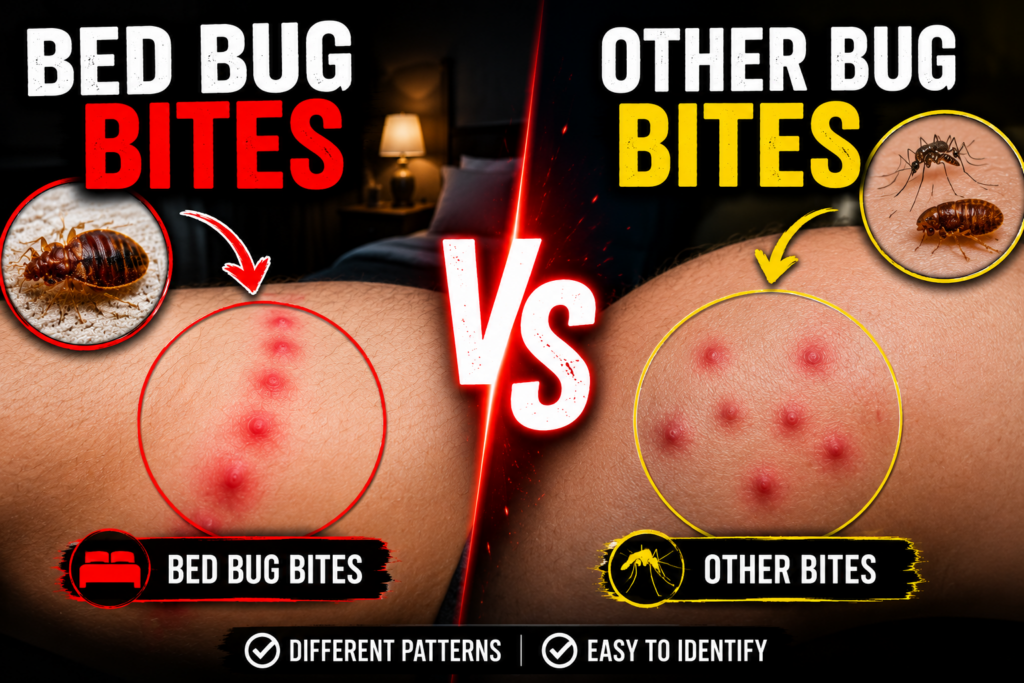
Many people confuse bed bug bites with mosquito, flea, or spider bites because all of them can cause itching and skin irritation. The main difference is usually the pattern and location of the bites. Mosquito bites often appear as isolated bumps, while flea bites are commonly found around the ankles. In contrast, bed bug bites look like small red welts grouped in lines or clusters, especially on areas exposed during sleep.
Another important sign is timing. Most people notice irritation after waking up because bed bugs feed at night. Spider bites are usually single marks, whereas bed bugs rash patterns may spread across the arms, shoulders, or back in multiple spots. Some individuals even search for bed bug bites pictures or bed bug bites images online to compare symptoms with their own skin. While photos can help, checking bedding, mattress seams, and nearby furniture for infestation signs provides a more accurate way to identify the real cause of the bites.
Signs of Bed Bugs in Your Home
Finding physical signs around your sleeping area is often the fastest way to confirm whether bed bug bites are connected to an active infestation. One of the most common indicators is tiny blood stains on bed sheets or pillowcases caused by crushed insects after feeding. You may also notice small black spots near mattress seams, headboards, or furniture cracks. These dark marks are usually bed bug droppings and often appear in hidden corners where the insects gather during the day.
Another major warning sign is the presence of shed skins or pale yellow eggs around mattresses, couches, or wooden bed frames. In heavier infestations, some people describe a slightly musty odor in the room. Many homeowners begin searching for bed bug bites photos after waking up with itchy skin repeatedly, especially after travel or hotel stays. Inspecting luggage, secondhand furniture, and bedding carefully can help prevent bed bugs bites from spreading further inside the home.
Why Bed Bug Bites Itch So Much
The intense itching caused by bed bug bites happens because the insects inject saliva into the skin while feeding. This saliva contains substances that prevent blood from clotting, allowing bed bugs to feed without immediately being noticed. Once the body reacts to these foreign proteins, the immune system triggers inflammation, redness, and irritation around the affected area. For some people, the itching remains mild, while others develop noticeable swelling and painful discomfort.
The reaction can become even stronger if the bites are scratched repeatedly. Continuous scratching may damage the skin barrier and increase the risk of infection or long-lasting irritation. In severe cases, a person may develop a noticeable bed bug rash with raised welts that spread across larger areas of the body. People searching for what does a bed bug bite look like are often surprised that the symptoms can appear several hours or even days after exposure. Skin sensitivity, allergies, and repeated exposure all influence how severe the itching becomes.
Serious Bed Bug Bite Symptoms
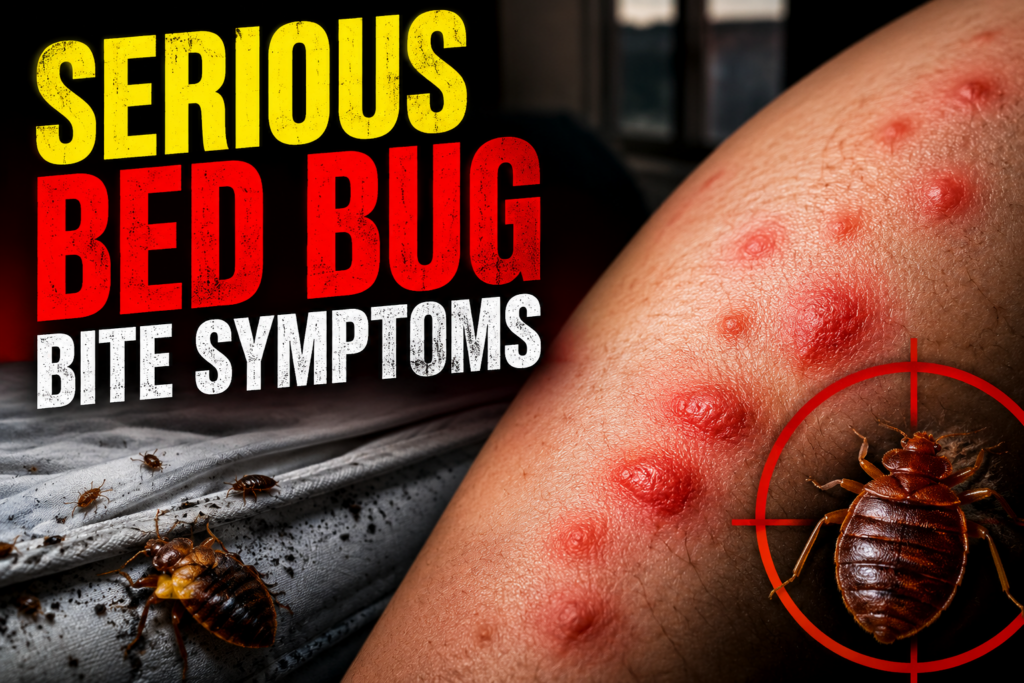
Most bed bug bites cause mild irritation, but some reactions can become more severe depending on skin sensitivity and repeated exposure. Common symptoms include redness, swelling, itching, and small raised bumps that remain uncomfortable for several days. However, excessive scratching may lead to broken skin, infection, or painful inflammation. In some situations, people experience large swollen welts that feel warm or tender to the touch.
A severe allergic reaction is less common but still possible. Symptoms such as difficulty breathing, dizziness, fever, or rapidly spreading swelling should never be ignored. Some individuals also develop a stronger bed bugs rash after continuous exposure to infestations inside bedding or furniture. People often search for what does bed bugs bites look like when the irritation becomes unusually painful or widespread. If symptoms continue worsening despite home treatment, a visit to a dermatologist or healthcare provider may be necessary to prevent complications and properly manage the skin reaction.
How Long Bed Bug Bites Last
The healing time for bed bug bites depends on how sensitive a person’s skin is and how often the bites are scratched. In mild cases, the redness and itching may disappear within a few days. More noticeable reactions, however, can last one to two weeks before the skin fully recovers. People with allergies or sensitive skin often experience stronger irritation, swelling, or lingering discoloration that takes longer to fade.
Another factor that affects recovery is repeated exposure. If bed bugs are still hiding inside mattresses, furniture, or bedding, new bites may continue appearing each night, making the problem feel never-ending. Some people compare symptoms using close up pictures of bed bug bites online because healing stages can vary widely. Early irritation may begin as tiny red spots before developing into larger itchy welts. Avoiding scratching, keeping the skin clean, and using soothing creams can help reduce inflammation and improve healing speed while preventing further skin damage.
Treating Bed Bug Bites at Home
Most bed bug bites can be treated at home with simple steps that reduce itching and calm irritated skin. Washing the affected area gently with soap and warm water helps remove bacteria and lowers the risk of infection. Applying a cold compress for several minutes may also decrease swelling and provide temporary relief from discomfort. Many people use hydrocortisone cream or oral antihistamines to control itching, especially when the irritation becomes difficult to ignore during the night.
Avoid scratching the bites as much as possible because damaged skin can become infected and heal more slowly. If symptoms continue spreading, cleaning the sleeping area becomes equally important. Vacuuming mattresses, washing bedding in hot water, and using heat dryers can help reduce hidden bed bugs inside the home. Some homeowners also search for bed bug bite pictures to compare healing progress with their own symptoms. When home remedies fail or infestations grow larger, contacting a professional pest control specialist may be the safest long-term solution.
Preventing Future Bed Bug Bites
Preventing bed bug bites starts with reducing the chances of bringing these insects into your home. One of the most effective habits is carefully checking hotel mattresses, furniture seams, and luggage after traveling. Since bed bugs are excellent at hiding in tiny cracks, even clean-looking rooms may still contain infestations. Washing clothes in hot water immediately after returning home can help eliminate hidden insects before they spread into bedrooms or closets.
Keeping sleeping areas clean and clutter-free also makes infestations easier to detect early. Vacuuming carpets, bed frames, and couches regularly can remove eggs and hidden bugs before the problem grows larger. Many homeowners use protective mattress encasements to block insects from entering or escaping mattresses. People searching for what do bed bugs bites look like are often already dealing with recurring symptoms caused by untreated infestations nearby. Avoiding secondhand furniture without inspection and sealing cracks around walls or furniture joints can significantly reduce the risk of future bites and sleepless nights.
When to See a Doctor for Bed Bug Bites
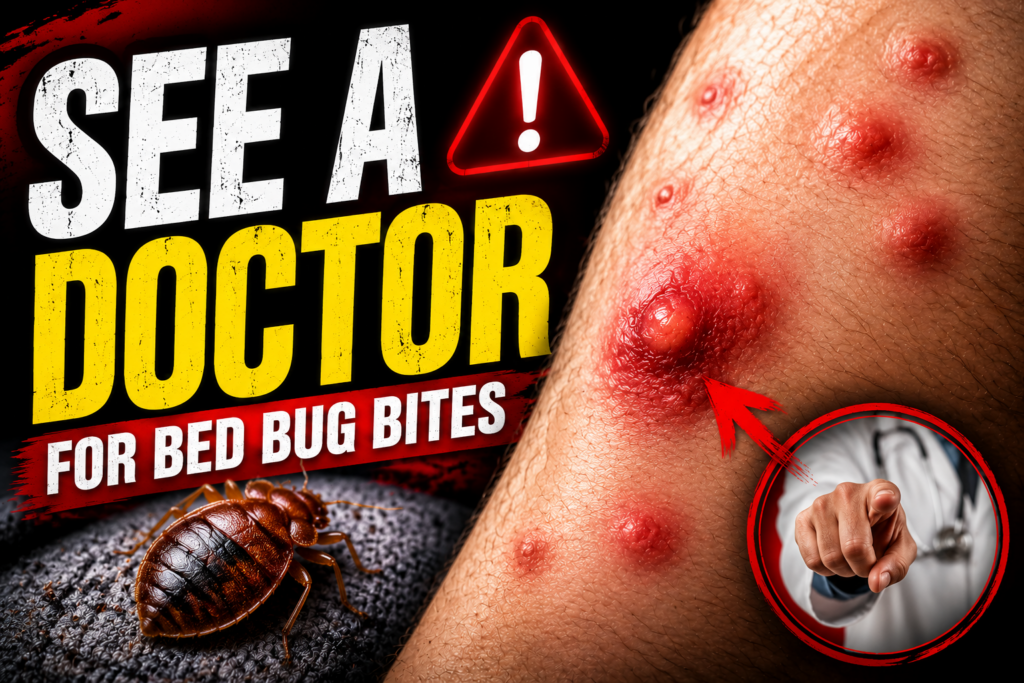
Although most bed bug bites improve with home care, some reactions require medical attention. If the skin becomes extremely swollen, painful, or begins leaking fluid, it could indicate an infection caused by excessive scratching. Warmth around the bites, worsening redness, or fever are also signs that the irritation may be more serious than a normal reaction. In these situations, seeking help from a healthcare professional can prevent complications and speed up recovery.
Certain allergic reactions should never be ignored. Difficulty breathing, dizziness, facial swelling, or severe hives may indicate a dangerous response that needs immediate treatment. Some people searching for what does bed bug bites look like become concerned when symptoms spread rapidly or fail to heal after several weeks. A dermatologist can help determine whether the marks are truly caused by bed bugs or another skin condition entirely. Professional guidance is especially important when over-the-counter creams and antihistamines no longer provide enough relief.
Conclusion
Recognizing bed bug bites early can help prevent ongoing discomfort and larger infestations inside the home. These bites often appear as itchy red bumps grouped in clusters or straight lines, especially on exposed areas like the arms, neck, and legs. While symptoms are usually mild, repeated exposure to bed bugs may lead to stronger irritation, swelling, or noticeable skin reactions that affect sleep and daily comfort.
Understanding what do bed bug bites look like also makes it easier to separate them from mosquito bites, allergic rashes, or other common skin conditions. Checking mattresses, bedding, furniture seams, and travel luggage regularly can help detect hidden infestations before they spread further. Simple treatments such as cold compresses, antihistamines, and proper cleaning routines often provide relief, but severe reactions should always be evaluated by a healthcare professional. Taking quick action is the best way to protect both your skin and your living space from future problems.
FAQs About Bed Bug Bites
Do Bed Bug Bites Appear Immediately?
Not always. Some people notice bed bug bites within a few hours, while others may not develop symptoms for several days. The reaction depends on skin sensitivity and previous exposure to bed bugs. Early irritation usually begins with mild redness and itching before becoming more swollen over time.
Can Bed Bug Bites Spread Disease?
Current research shows that bed bugs are not known to spread diseases to humans. However, constant scratching can damage the skin and increase the risk of bacterial infection. Keeping bites clean and avoiding irritation helps prevent complications during healing.
Why Do Bed Bug Bites Appear in Lines?
These insects often feed multiple times while moving across exposed skin, creating rows or clustered patterns. This feeding behavior is one reason many people search for what do bed bug bites look like when trying to identify unusual bite marks after sleeping.
Can Some People Have No Reaction?
Yes. Some individuals develop noticeable itching and swelling, while others show little or no visible reaction at all. This difference can make infestations difficult to detect in the early stages.