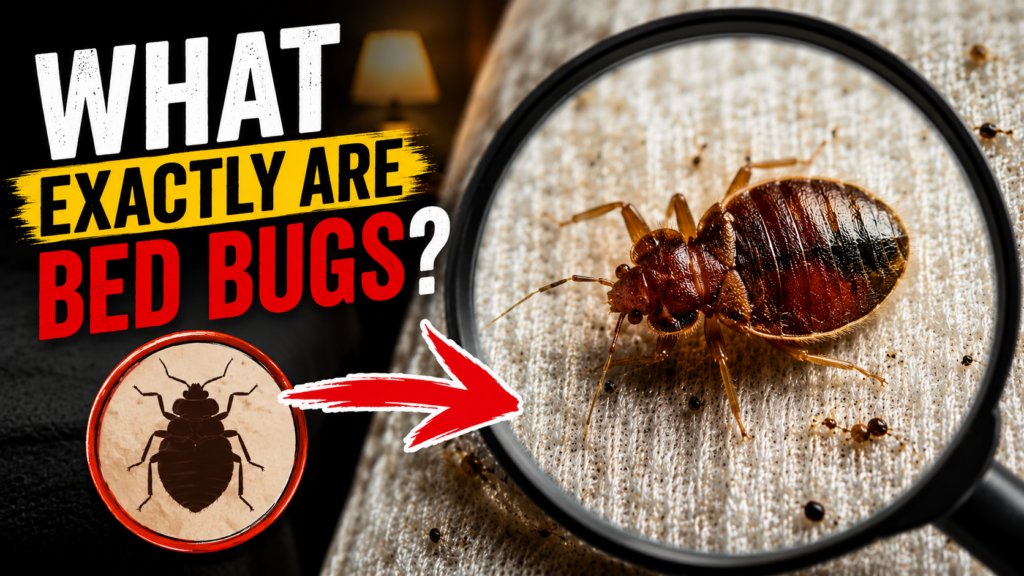
Many people wonder what are bed bugs and why these tiny pests are becoming a growing problem in homes, apartments, and hotels. Bed bugs are small, reddish-brown insects that feed on human blood, usually during the night. The most common species is Cimex lectularius, a flat and oval-shaped insect known for hiding in mattresses, furniture, and tiny wall cracks. Unlike fleas, these insects cannot jump or fly, but they move quickly across surfaces using their six legs.
If you are asking what do bed bugs look like, adult insects are about the size of an apple seed, while younger ones appear pale and much smaller. Many people also ask, can you see bed bugs with the naked eye, and the answer is yes, especially during a growing infestation. Understanding bed bug size and appearance is the first step toward early detection and prevention.
What Do Bed Bugs Look Like?
Understanding what does a bed bug look like can help you identify an infestation before it spreads throughout your home. Adult bed bugs are flat, oval-shaped insects with a reddish-brown color that becomes darker after feeding. Their bodies are usually similar in size to an apple seed, which is why many homeowners search for terms like how big are bed bugs or bed bugs actual size online. Young insects, also called nymphs, appear lighter and almost transparent before feeding.
Many people confuse these pests with fleas or tiny beetles, but bed bug bugs have a distinct body shape and six visible legs. If you are wondering what does bed bugs look like during early stages, small nymphs may resemble tiny pale dots hiding near mattress seams or furniture joints. Since these insects avoid light, spotting them early often requires careful inspection around beds, upholstery, and cracks near sleeping areas.
Where Bed Bugs Hide Indoors
One reason bed bugs spread so easily is their ability to hide in extremely small spaces close to where people sleep. These insects prefer dark, quiet areas and usually stay hidden during the day before becoming active at night. Common hiding spots include mattress seams, bed frames, pillows, upholstered furniture, curtains, and wooden cracks. In severe infestations, they may also hide behind wallpaper, electrical outlets, carpets, and baseboards.
Many homeowners search for small bed bugs look like because younger insects are difficult to notice inside tight spaces. Since the pests are flat-bodied, even tiny gaps can become nesting areas. People often ask how many legs do bed bugs have while inspecting suspicious insects, and the answer is six legs with short antennae attached to a compact body. Early detection is important because a small infestation can quickly grow when hidden eggs and nymphs remain unnoticed inside the home.
Early Signs of Bed Bugs
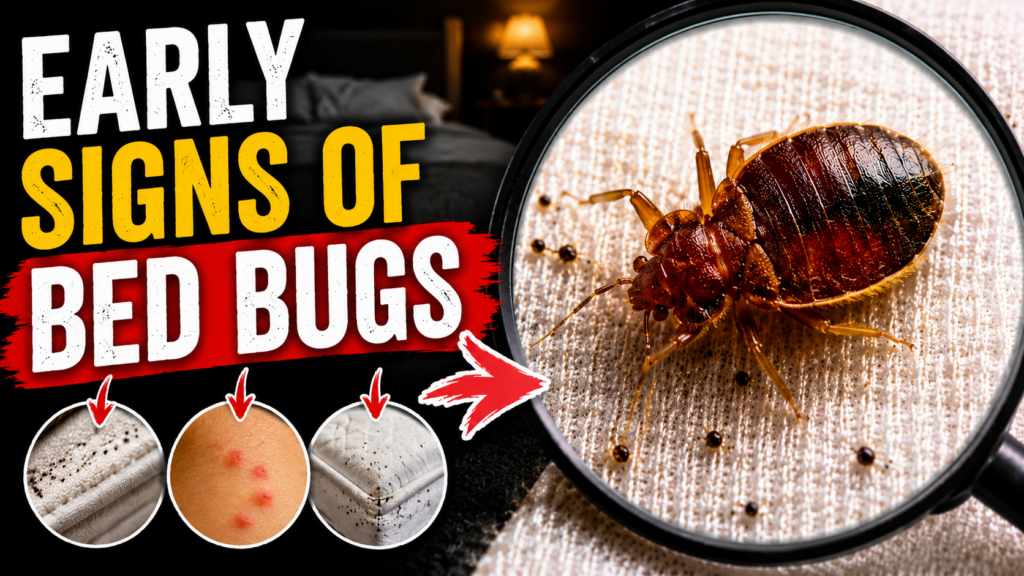
Recognizing the early warning signs of bed bugs can prevent a small infestation from turning into a serious household problem. One of the most common signs is itchy red bites that often appear in lines or clusters on exposed skin after sleeping. However, bites alone are not always enough to confirm an infestation because reactions vary from person to person.
Other warning signs include tiny black spots on sheets or mattresses, which are insect droppings, along with small blood stains left after feeding. You may also notice shed skins, pale eggs, or a faint musty odor near heavily infested areas. Homeowners asking what do bed bugs look like should carefully inspect mattress seams, furniture joints, and cracks around sleeping spaces using a flashlight. Since these insects reproduce quickly, finding even one visible insect or egg can indicate that hidden populations are already developing nearby inside the home.
What Bed Bug Bites Look Like
Many people first discover bed bugs after noticing unusual bite marks on their skin. These bites usually appear as small, red, itchy bumps that develop overnight on exposed areas like the arms, neck, shoulders, or legs. In some cases, the bites form straight lines or clustered patterns because the insects feed multiple times while moving across the skin.
Not everyone reacts the same way to bites. Some individuals experience intense itching and swelling, while others may show little or no visible reaction at all. This is why infestations can remain hidden for weeks before being detected. People searching bed bugs look like often compare the bites with mosquito or flea bites, but bed bug bites are usually more grouped together. Scratching the affected area repeatedly may lead to skin irritation or secondary infections. Keeping the sleeping area clean and checking mattresses regularly can help identify problems before infestations become severe.
Are Bed Bugs Dangerous?
Although bed bugs are not known to spread diseases like mosquitoes or ticks, they can still create serious physical and emotional discomfort inside the home. Their bites may cause itching, redness, allergic reactions, and skin irritation, especially in people with sensitive skin. Continuous scratching can sometimes lead to minor infections that require medical attention.
Beyond physical symptoms, infestations often affect sleep quality and mental well-being. Many people experience stress, anxiety, or insomnia after discovering insects in their sleeping area. The fear of being bitten repeatedly at night can become emotionally exhausting over time. Another concern is how quickly infestations spread when they remain untreated. A few hidden insects can multiply rapidly and move into furniture, luggage, or neighboring rooms.
Because these pests are difficult to eliminate completely, early inspection and professional treatment are usually the safest solutions for long-term control and prevention within residential spaces.
Why Clean Homes Get Bed Bugs
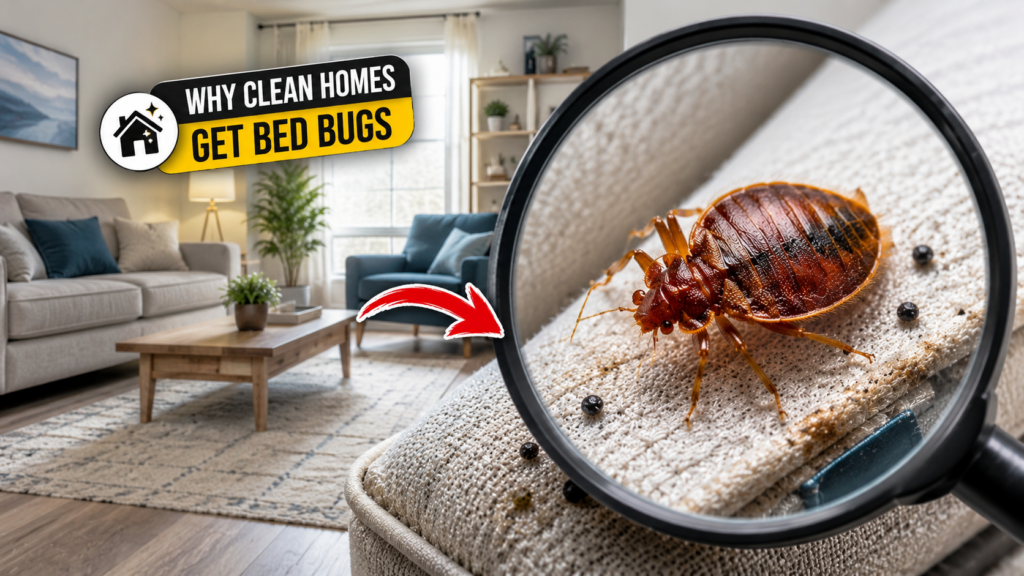
A common myth is that bed bugs only appear in dirty or poorly maintained homes, but cleanliness has very little to do with infestations. These insects are attracted to warmth, carbon dioxide, and human blood rather than dirt or garbage. Even spotless homes, luxury hotels, and well-maintained apartments can become infested when the pests travel from one location to another.
Most infestations begin when insects hitchhike on luggage, clothing, used furniture, backpacks, or secondhand mattresses. Once inside, they quickly hide near sleeping areas and start reproducing. This is why travelers and apartment residents are often at higher risk. Clutter may provide additional hiding places, but it does not directly cause infestations.
People researching what are bed bugs are often surprised to learn how easily these insects spread through everyday activities. Regular inspections, careful travel habits, and avoiding unsafe secondhand furniture are some of the best ways to reduce the chances of bringing these pests indoors.
Bed Bug Life Cycle Explained
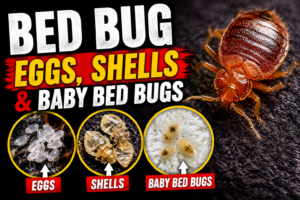
The life cycle of bed bugs begins with tiny white eggs that are usually hidden inside mattress seams, furniture cracks, or dark corners near sleeping areas. A female insect can lay several eggs each day, allowing infestations to grow rapidly when left untreated. After hatching, young nymphs emerge and begin feeding on blood almost immediately.
These immature insects shed their outer skin multiple times before becoming adults. Under warm indoor conditions, the full development process can take only a few weeks. Adult insects may survive for several months and continue reproducing throughout that time. Because of their fast breeding cycle, even a small hidden population can expand into a serious infestation surprisingly quickly.
Many homeowners underestimate how difficult these pests are to eliminate because eggs and nymphs often remain hidden after basic cleaning. Understanding the growth stages helps explain why consistent treatment and repeated inspections are necessary for long-term control inside homes and apartments.
How to Check for Bed Bugs
Inspecting your home carefully is one of the best ways to detect bed bugs before an infestation becomes severe. Start by examining mattress seams, pillow edges, bed frames, and box springs using a flashlight. Look for live insects, tiny white eggs, shed skins, or dark droppings near sleeping areas. Since these pests prefer tight spaces, checking cracks, furniture joints, and baseboards is also important.
Many people asking can you see bed bugs are surprised that adult insects are visible without magnification, although younger nymphs can be harder to spot because of their pale color and tiny size. Upholstered furniture, curtains, and luggage should also be inspected if bites or stains appear unexpectedly.
During inspections, small blood marks on bedding and musty odors may indicate hidden activity nearby. Regular checks after traveling or purchasing secondhand furniture can help stop infestations before they spread throughout the entire home.
DIY Ways to Remove Bed Bugs
Getting rid of bed bugs without professional help can be difficult, but early infestations may sometimes be reduced with careful cleaning and consistent treatment. Start by washing bedding, clothing, and curtains in hot water, then dry them on high heat to kill hidden insects and eggs. Vacuum mattresses, carpets, furniture seams, and cracks thoroughly, and dispose of the vacuum contents immediately outside the home.
Steam cleaning is another effective method because high temperatures can destroy insects hiding deep inside fabric and furniture. Mattress encasements may also help by trapping insects and preventing further spreading. However, many over-the-counter sprays fail to eliminate hidden eggs completely, which allows infestations to return later.
Homeowners should avoid moving infested furniture between rooms because this can spread insects throughout the house. Successful removal usually requires repeated inspections and treatments over several weeks to ensure no surviving insects remain hidden indoors.
Professional Bed Bug Treatment
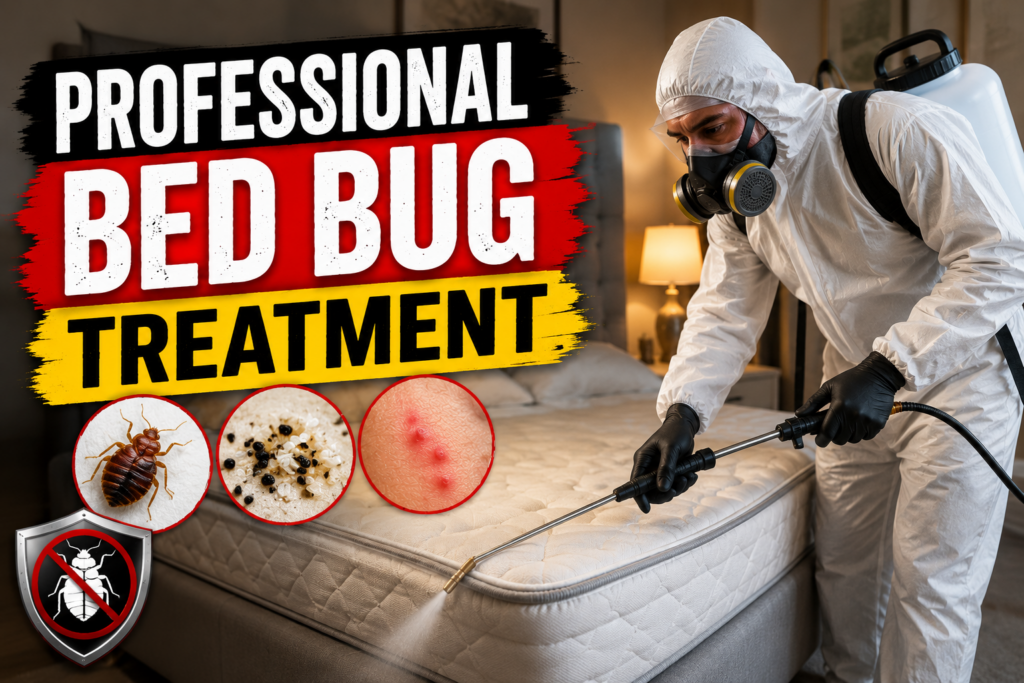
Professional treatment becomes necessary when bed bugs continue returning despite repeated cleaning efforts. Pest control specialists use advanced methods designed to target insects hiding deep inside walls, furniture, mattresses, and flooring. One of the most effective solutions is heat treatment, where entire rooms are heated to temperatures high enough to destroy insects and eggs in a single process.
Some exterminators also use carefully approved insecticides combined with monitoring systems to control severe infestations. Professional inspections are important because hidden eggs and tiny nymphs are often missed during basic home cleaning. Experts can identify problem areas quickly and create a treatment plan based on the size of the infestation.
Although professional services may seem expensive initially, untreated infestations usually become more difficult and costly over time. Choosing licensed pest control companies with experience handling residential infestations improves the chances of complete removal and helps prevent insects from returning again in the future.
How to Prevent Bed Bugs
Preventing bed bugs is much easier than dealing with a large infestation later. One of the most effective prevention methods is checking hotel beds, mattresses, and furniture carefully while traveling. Keep luggage elevated away from beds and inspect clothing before returning home. Washing travel clothes with hot water after trips can also reduce the risk of bringing insects indoors.
At home, avoid purchasing used mattresses or upholstered furniture unless they have been inspected thoroughly. Regularly vacuuming sleeping areas and reducing clutter can help limit hiding places for pests. Sealing cracks around walls, bed frames, and flooring may also slow their spread inside buildings.
Homeowners who understand what does bed bugs look like are often better at spotting problems early before infestations become severe. Routine inspections of bedding, furniture, and nearby crevices are important because early detection greatly improves the chances of controlling these insects before they multiply throughout the property.
Common Myths About Bed Bugs
There are many misconceptions about bed bugs, and believing them can make infestations harder to control. One common myth is that these insects only infest dirty homes. In reality, they can survive in clean apartments, luxury hotels, and well-maintained houses because they are attracted to people, not dirt. Another false belief is that the insects are too small to see. Adult insects are visible to the naked eye, especially around mattresses and furniture seams.
Some people also think these pests can jump or fly like fleas, but they only crawl from place to place. Others assume a single spray treatment will solve the problem permanently, even though hidden eggs often survive incomplete treatments. Misunderstanding how infestations spread can delay proper action and allow populations to grow quickly.
Learning accurate information about these household pests helps homeowners respond faster, reduce stress, and choose safer prevention and treatment methods before infestations become severe.
Final Thoughts on Bed Bugs
Dealing with bed bugs can feel stressful, especially when infestations begin spreading through sleeping areas and furniture. These insects are difficult to eliminate because they hide in tiny spaces and reproduce quickly, but early detection makes a major difference. Regular inspections, careful travel habits, and fast treatment can help prevent a small problem from turning into a serious infestation.
Understanding how these pests behave also helps homeowners respond calmly instead of relying on myths or ineffective treatments. Checking mattresses, furniture seams, and nearby cracks regularly is one of the best ways to catch hidden activity before populations grow. While minor infestations may sometimes be reduced with cleaning and heat treatments, severe cases usually require professional pest control for complete removal.
Staying informed, acting quickly, and maintaining consistent prevention habits are the most effective ways to protect your home and reduce the chances of future infestations returning again.
FAQs About Bed Bugs
Can You See Bed Bugs Easily?
Yes, adult bed bugs are usually visible without magnification. They are small, flat, reddish-brown insects roughly the size of an apple seed. Younger nymphs are much smaller and lighter in color, which makes them harder to notice inside mattress seams or furniture cracks. Careful inspection with a flashlight often helps identify hidden insects before infestations become severe.
How Big Are Bed Bugs?
Many homeowners search how big are bed bugs when trying to identify suspicious insects indoors. Adult insects are generally around 4 to 7 millimeters long, while younger nymphs appear much smaller. After feeding, their bodies become slightly swollen and darker in color. Their compact size allows them to hide inside narrow spaces near sleeping areas.
Do Bed Bugs Jump or Fly?
No, these insects cannot jump or fly. Unlike fleas, they move by crawling across furniture, walls, mattresses, and luggage. Their flat bodies help them squeeze into tiny cracks and hidden spaces during the daytime before emerging at night to feed on human blood.
How Fast Do Bed Bugs Spread?
Infestations can grow quickly because female insects lay multiple eggs regularly throughout their lifespan. Hidden eggs hatch into nymphs that begin feeding soon after emerging. Without early treatment, insects may spread from one room to another through furniture, clothing, luggage, and nearby wall openings inside apartments or shared buildings.
Can One Bed Bug Cause an Infestation?
Yes, even a single fertilized female insect can eventually create a larger infestation if left untreated. Because eggs and young nymphs remain hidden in small spaces, populations often grow unnoticed for weeks before visible signs appear throughout the home.