Finding carpet beetles inside your home can quickly turn from a small annoyance into a serious household problem. These tiny destructive pests may look harmless at first, but their larvae can silently damage carpets, rugs, furniture, clothing, and other natural fabrics before you even notice an infestation. Unlike many common household insects, carpet beetles often hide in dark, undisturbed areas such as closets, air vents, baseboards, upholstered furniture, and storage boxes, making them difficult to detect during the early stages.
The biggest problem with carpet beetles is how rapidly they reproduce. Adult beetles lay eggs in hidden areas, and once the larvae hatch, they begin feeding on materials like wool, silk, leather, fur, lint, and pet hair. Over time, this can lead to expensive damage throughout your home. In many cases, homeowners confuse the destruction caused by carpet beetles with damage from moths or general wear and tear.
Fortunately, getting rid of carpet beetles is possible with the right approach. From deep cleaning and steam treatment to preventive maintenance and targeted pest control methods, this guide will walk you through everything you need to know to eliminate infestations quickly and stop them from returning permanently.
What Are Carpet Beetles?
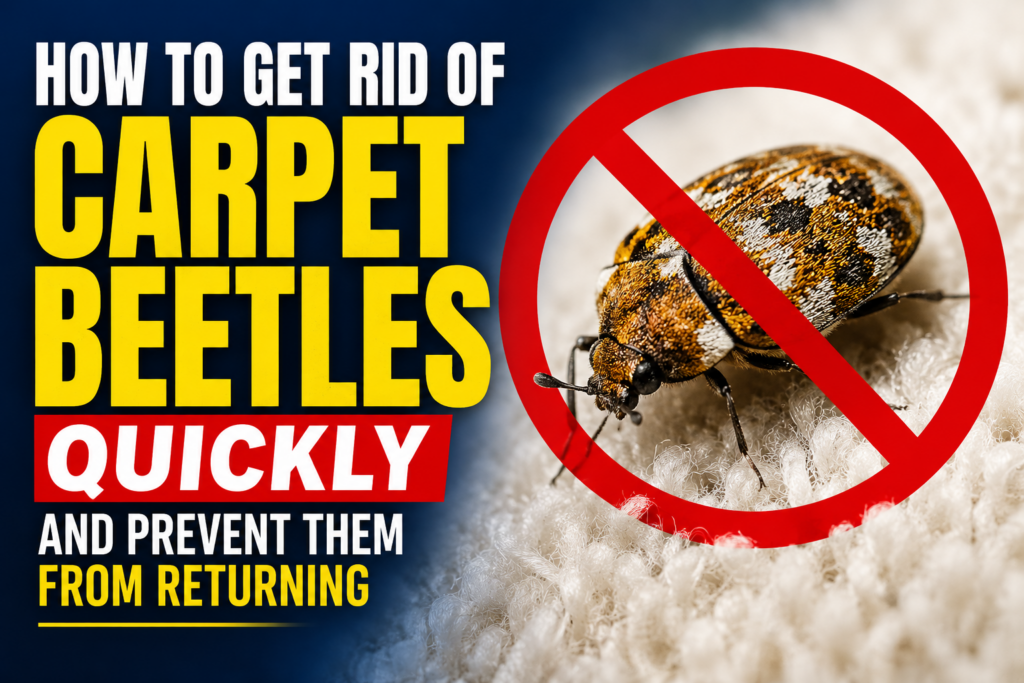
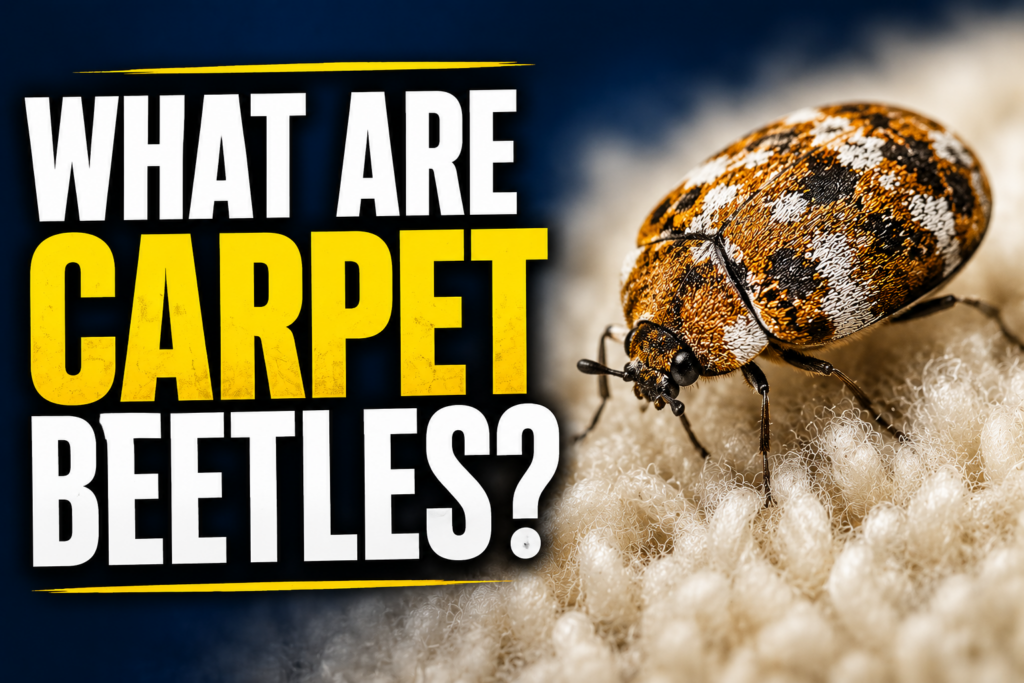
Carpet beetles are small fabric-damaging insects that belong to the Dermestidae family, a group commonly known as skin or hide beetles. While adult beetles are usually harmless outdoors, the real damage begins when their larvae enter homes and start feeding on natural materials. A common species homeowners encounter is the varied carpet beetle, one of the most widespread household fabric pests in North America and many other regions.
Adult carpet beetles are oval-shaped insects with patterned shells that may appear black, brown, white, orange, or yellow depending on the species. The varied carpet beetle is especially recognizable because of its mixed scale-like coloring. Although adult beetles primarily feed on pollen and flowers, their larvae survive by consuming wool carpets, upholstery, silk, leather, pet hair, lint, and stored clothing.
The larvae are typically small, brownish, and covered with bristle-like hairs. Because they avoid light and prefer hidden spaces, they often remain unnoticed while causing extensive damage. Most carpet beetles reproduce quickly in warm indoor environments, especially during spring and summer. Understanding their life cycle is important because identifying the larvae early can help prevent a large-scale infestation before valuable fabrics and household materials become severely damaged.
Why Carpet Beetles Enter Homes
Many homeowners assume dirty houses are the main reason for infestations, but carpet beetles can invade even clean and well-maintained homes. These pests are naturally attracted to food sources, warm shelter, and dark undisturbed areas where they can reproduce safely. Adult beetles often enter through open windows, doors, attic vents, cracks, or small gaps around the home, especially during warmer months when outdoor activity increases.
One of the most common groups found indoors is the Anthrenus carpet beetles, which includes the destructive varied carpet beetle. These beetles are strongly attracted to flower pollen and natural fibers. In many cases, they enter homes via fresh flowers, potted plants, secondhand furniture, or unknowingly brought-in infested fabrics. Once inside, female beetles search for hidden places to lay eggs near food sources for their larvae.
The larvae of carpet beetles feed on wool rugs, blankets, upholstery, fur, silk, lint buildup, feathers, and even pet hair trapped beneath furniture or along baseboards. Closets, storage boxes, air vents, and dark corners provide ideal breeding conditions because they are rarely disturbed. Humidity, clutter, and accumulated dust can also increase the risk of infestation by creating safe hiding spots where larvae can develop without interruption.
Signs of a Carpet Beetle Infestation
Detecting carpet beetles early is extremely important because these pests can cause significant fabric damage before homeowners even realize there is a problem. One of the first warning signs is finding irregular holes in carpets, rugs, blankets, clothing, or upholstered furniture. Unlike moth damage, the destruction caused by carpet beetles often appears scattered across different fabric materials throughout the home.
Another common indicator is spotting larvae or shed skins in hidden areas. Larvae are small, brown, hairy insects that usually avoid light and remain close to food sources such as wool, lint, pet hair, or natural fabrics. You may also notice dead adult beetles near windowsills, curtains, or light sources since adult carpet beetles are attracted to sunlight. Tiny fecal pellets, damaged stored clothing, and bald spots on rugs can also signal a growing infestation.
For effective carpet beetle control, it is important to inspect overlooked areas including closets, air vents, attic corners, storage containers, pet bedding, and underneath heavy furniture. Many infestations begin in places with dust accumulation and little cleaning activity. If multiple adult beetles or larvae are discovered, there is a strong chance eggs are already hidden elsewhere inside the home, making immediate treatment essential to stop the infestation from spreading further.
Where Carpet Beetles Hide Indoors
One of the biggest reasons carpet beetles become difficult to eliminate is their ability to hide in places that homeowners rarely inspect. These pests prefer dark, quiet areas with easy access to natural fibers, dust, lint, and pet hair. While adult beetles may occasionally appear near windows or light sources, the destructive carpet beetle larvae usually remain hidden deep inside fabrics and secluded household spaces.
Carpets and rugs are among the most common infestation zones because they collect organic debris that larvae feed on. However, carpet beetles are not limited to flooring alone. They frequently hide beneath furniture, inside upholstered couches, under mattresses, within closet corners, behind baseboards, and around air vents where dust accumulates over time. Stored blankets, wool clothing, leather jackets, and unused fabrics inside boxes or storage bins are also highly vulnerable to infestation.
Attics, basements, and pet sleeping areas provide ideal conditions for carpet beetle larvae because these locations are often warm, undisturbed, and difficult to clean thoroughly. In severe infestations, larvae may even hide inside wall voids, bird nests near roofs, or dead insects trapped around window frames. Regular inspections of hidden spaces are essential because eliminating visible adult beetles alone will not solve the problem if larvae and eggs continue developing unnoticed elsewhere in the home.
Damage Caused by Carpet Beetles
Although adult carpet beetles are mostly harmless, their larvae can cause serious and expensive damage inside homes when infestations are ignored. The larvae feed on animal-based and natural materials containing keratin, which makes carpets, rugs, clothing, upholstery, and stored fabrics highly vulnerable. Over time, even a small infestation can ruin valuable household items and spread into multiple rooms without obvious warning signs.
One of the most noticeable effects of carpet beetles is irregular fabric damage. Wool sweaters, silk garments, leather items, blankets, curtains, and upholstered furniture may develop holes, thinning areas, or patchy destruction. Carpets often show bald spots near edges, underneath furniture, or in dark corners where larvae remain hidden. In addition to material damage, shed larval skins and tiny hairs can trigger allergic reactions or skin irritation in some individuals.
When infestations become severe, homeowners may need stronger treatment methods such as a carpet beetle insecticide to eliminate hidden larvae and eggs effectively. Professional-grade insecticides are commonly applied around baseboards, cracks, storage spaces, and heavily infested carpeted areas. However, treatment should always be combined with deep cleaning, vacuuming, and fabric inspection because chemical products alone cannot fully remove the organic debris and hidden food sources that allow carpet beetles to continue reproducing indoors.
Natural Ways to Remove Carpet Beetles
Eliminating carpet beetles naturally is often the safest and most effective first step, especially in homes with children or pets. Since larvae survive by feeding on dust, lint, pet hair, and natural fibers, thorough cleaning plays a major role in stopping an infestation. Regular vacuuming of carpets, rugs, furniture, baseboards, closets, mattresses, and air vents can remove larvae, eggs, and hidden food sources before the infestation spreads further.
Steam cleaning is another highly effective method because high temperatures can kill both larvae and eggs hidden deep inside carpets and upholstery. Washing infested fabrics in hot water and drying them on high heat also helps destroy developing pests. Many homeowners additionally use white vinegar sprays around closets, storage areas, shelves, and fabric surfaces because the acidic solution may help repel carpet beetles naturally.
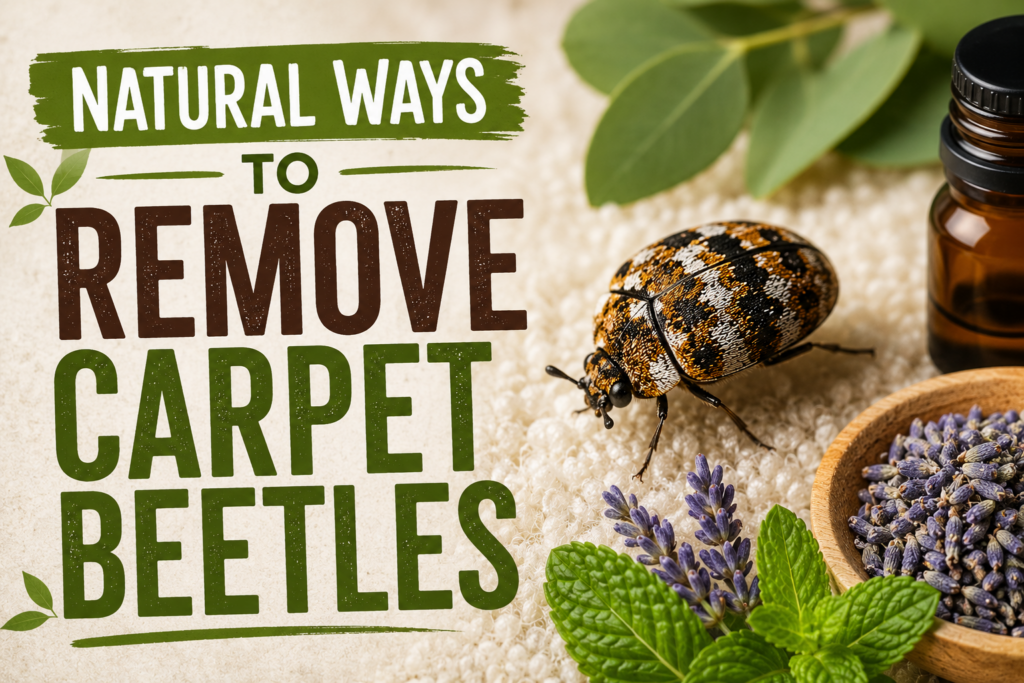
For larger infestations, natural methods may need to be combined with targeted treatments like an insecticide for carpet beetles to completely eliminate hidden breeding zones. Diatomaceous earth is another popular non-toxic option because it damages the outer layer of larvae and adult beetles, eventually dehydrating them. Sunlight exposure, decluttering, and proper fabric storage can further reduce infestation risks. The key to long-term success is consistency, since carpet beetles often return when overlooked hiding spots remain untreated or cleaning routines become irregular.
Chemical Treatments for Carpet Beetles
When natural cleaning methods are not enough, chemical solutions may be necessary to fully eliminate severe carpet beetles infestations. In many cases, larvae hide deep inside carpets, wall cracks, air vents, storage spaces, and upholstered furniture where vacuuming alone cannot reach. Proper use of insecticides can help target hidden eggs and larvae before the infestation spreads throughout the home.
Common pest control products used against carpet beetles often contain ingredients such as bifenthrin, deltamethrin, or cyfluthrin. These treatments are typically applied around baseboards, closet edges, under furniture, carpet seams, and dark corners where larvae develop. Boric acid is another widely used solution because it can kill larvae upon contact while helping reduce future activity. However, chemical products should always be used carefully, especially around pets, children, and food preparation areas.
Many homeowners also wonder, do carpet beetles bite humans? Unlike bed bugs or fleas, carpet beetles do not bite or feed on blood. However, the tiny hairs on larvae can sometimes cause skin irritation or allergic reactions that resemble insect bites. This reaction is often called carpet beetle dermatitis. If skin irritation occurs alongside visible fabric damage or shed larval skins, it may indicate a growing infestation that requires immediate treatment and deeper home inspection to prevent long-term problems.
Step-by-Step Removal Plan
Successfully eliminating carpet beetles requires more than a single treatment. A complete removal plan should target adult beetles, larvae, eggs, and the hidden food sources that allow infestations to continue growing. The first step is performing a deep inspection of all high-risk areas, including carpets, closets, upholstered furniture, storage bins, mattresses, and air vents. Pay special attention to dark corners where lint, pet hair, and fabric dust collect over time.
Next, thoroughly vacuum every affected area using a crevice attachment to reach edges, baseboards, and spaces beneath furniture. Wash infested fabrics in hot water and dry them on high heat whenever possible. Steam cleaning carpets and upholstery can help destroy hidden larvae and eggs that regular vacuuming may miss. If you notice unusual fabric damage or discover black beetles in carpet fibers, immediate treatment is important because this may indicate active breeding areas nearby.
After cleaning, apply appropriate treatments such as boric acid, diatomaceous earth, or insecticides in cracks, closet corners, storage areas, and beneath heavy furniture. Continue monitoring the home for several weeks because carpet beetles can survive in hidden locations if eggs remain untreated. Long-term success depends on maintaining regular cleaning routines, reducing clutter, sealing fabric storage properly, and inspecting vulnerable materials frequently to prevent future infestations from returning.
Prevent Carpet Beetles From Returning
Preventing carpet beetles from returning is just as important as removing the original infestation. Even after successful treatment, hidden eggs or overlooked larvae can restart the problem if proper maintenance is ignored. Consistent cleaning habits are the most effective defense against future infestations because larvae depend on dust, lint, pet hair, and natural fibers to survive indoors.
Vacuum carpets, rugs, upholstered furniture, closets, and baseboards regularly to remove potential food sources before larvae can develop. Store wool clothing, blankets, silk fabrics, and seasonal items in tightly sealed plastic containers instead of cardboard boxes or open storage areas. It is also helpful to inspect secondhand furniture, old rugs, flowers, and potted plants before bringing them inside, since adult carpet beetles often enter homes through contaminated materials or open windows during warmer seasons.
Many homeowners ask, does carpet beetles bite people or pets? Although these insects do not actually bite, the tiny hairs on larvae can sometimes trigger skin irritation or allergic reactions in sensitive individuals. To reduce exposure, clean hidden areas frequently and avoid allowing dust accumulation beneath furniture or inside storage spaces. Installing window screens, reducing indoor humidity, and decluttering dark unused areas can also make the environment less attractive to carpet beetles, helping prevent future infestations from developing again.
Carpet Beetles vs Other Household Pests
Many homeowners confuse carpet beetles with other indoor pests because the signs of infestation can appear similar at first. Damage caused by larvae is often mistaken for clothes moth activity, while skin irritation may lead people to assume they have bed bugs or fleas. Understanding the differences between these pests is important because each infestation requires a different treatment and prevention strategy.
Unlike bed bugs, carpet beetles do not feed on blood or live inside mattresses to bite humans while sleeping. A common question people ask is, do carpet beetle bite humans? The answer is no. However, the tiny hairs on larvae can trigger allergic skin reactions that resemble insect bites. Bed bugs leave bite marks and blood stains, while carpet beetles mainly cause damage to fabrics, carpets, upholstery, and stored clothing.
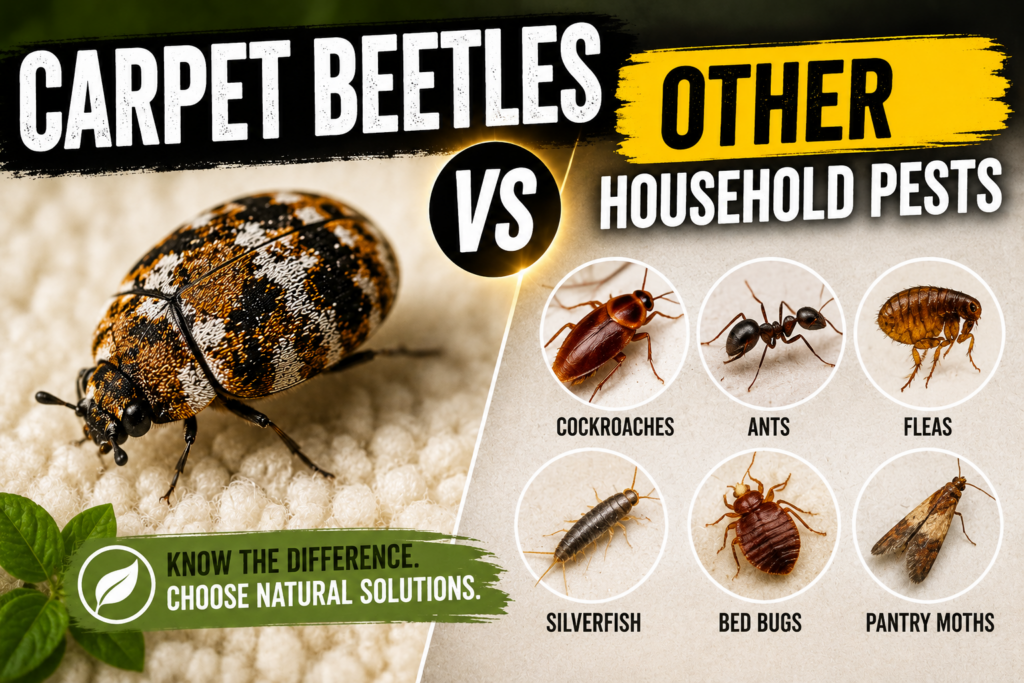
Clothes moths are another pest commonly confused with carpet beetles because both insects attack natural fibers like wool and silk. However, moth larvae typically create webbing around damaged areas, while carpet beetle larvae leave behind shed skins and irregular holes in fabrics. Fleas, on the other hand, target pets and humans directly rather than household materials. Proper identification is essential because using the wrong pest control method can allow infestations to continue spreading unnoticed throughout the home.
Are Carpet Beetles Harmful?
Although carpet beetles are not considered dangerous insects, they can still create serious problems inside homes when infestations are left untreated. The biggest concern is the damage their larvae cause to carpets, rugs, upholstery, clothing, blankets, and other natural fabrics. Over time, larvae can destroy expensive household materials by feeding on wool, silk, leather, fur, feathers, lint, and pet hair hidden in dark areas of the home.
In addition to fabric destruction, some people experience allergic reactions caused by the tiny bristles found on carpet beetle larvae. These hairs may irritate sensitive skin and create red, itchy rashes that are often mistaken for insect bites. While carpet beetles do not bite or sting, repeated exposure to larval hairs can become uncomfortable for certain individuals, especially in heavily infested environments.
If the infestation becomes severe, homeowners may need to use a professional spray for carpet beetles to eliminate hidden larvae and eggs effectively. Targeted sprays are commonly applied around baseboards, closet edges, storage areas, carpets, and cracks where larvae hide. However, chemical treatments should always be combined with deep cleaning and preventive maintenance to achieve long-term results. Ignoring an infestation for too long can allow carpet beetles to spread throughout the home, making removal significantly more difficult and expensive later.
When to Call Pest Control Experts
While small infestations can often be managed with cleaning and home treatments, severe carpet beetles problems may require professional pest control assistance. If larvae continue appearing after repeated vacuuming, steam cleaning, and fabric washing, the infestation may be spreading through hidden areas such as wall voids, attic spaces, air ducts, or beneath heavy furniture. In these situations, professional inspection becomes important to locate breeding zones that homeowners may overlook.
One major sign that expert help is needed is ongoing fabric damage despite repeated treatment attempts. If carpets, rugs, clothing, upholstered furniture, or stored fabrics continue developing holes, larvae may still be active somewhere inside the property. Large infestations can also spread rapidly because female carpet beetles lay eggs in multiple hidden locations throughout the home. Delaying treatment often increases both repair costs and the difficulty of complete removal.
Professional exterminators commonly use specialized carpet beetles spray treatments designed to target larvae, eggs, and adult beetles simultaneously. These treatments are applied strategically around baseboards, carpet edges, cracks, storage areas, and hidden infestation points where over-the-counter products may not work effectively. Experts may also recommend long-term prevention plans, moisture control, and follow-up inspections to ensure the infestation does not return. Early professional intervention can save homeowners significant time, money, and frustration when dealing with persistent carpet beetles activity.
Dealing with carpet beetles can feel frustrating, especially when the infestation spreads quietly through carpets, clothing, furniture, and hidden storage areas. Because these pests reproduce quickly and often remain unnoticed during the early stages, taking fast action is extremely important. Ignoring the warning signs can allow larvae to continue damaging valuable fabrics and household materials for months before the infestation becomes obvious.
Many homeowners initially mistake carpet bugs for harmless insects, but their larvae can create costly damage if left untreated. The key to successful removal is combining deep cleaning, regular inspections, targeted treatments, and long-term prevention methods. Vacuuming thoroughly, steam cleaning fabrics, sealing storage containers, reducing clutter, and monitoring dark hidden spaces can greatly reduce the chances of reinfestation. Consistency is essential because even a few remaining eggs may allow the infestation to restart later.
If you continue noticing carpet beetles in house areas despite repeated cleaning efforts, professional pest control may be the best solution for complete elimination. Early treatment not only protects carpets and furniture but also prevents the infestation from spreading into multiple rooms. With the right approach, homeowners can successfully remove carpet beetles, protect valuable fabrics, and maintain a cleaner, healthier indoor environment free from recurring pest activity.
When to Call Pest Control Experts
While small infestations can often be managed with cleaning and home treatments, severe carpet beetles problems may require professional pest control assistance. If larvae continue appearing after repeated vacuuming, steam cleaning, and fabric washing, the infestation may be spreading through hidden areas such as wall voids, attic spaces, air ducts, or beneath heavy furniture. In these situations, professional inspection becomes important to locate breeding zones that homeowners may overlook. One major sign that expert help is needed is ongoing fabric damage despite repeated treatment attempts. If carpets, rugs, clothing, upholstered furniture, or stored fabrics continue developing holes, larvae may still be active somewhere inside the property. Large infestations can also spread rapidly because female carpet beetles lay eggs in multiple hidden locations throughout the home. Delaying treatment often increases both repair costs and the difficulty of complete removal.
Professional exterminators commonly use specialized carpet beetles spray treatments designed to target larvae, eggs, and adult beetles simultaneously. These treatments are applied strategically around baseboards, carpet edges, cracks, storage areas, and hidden infestation points where over-the-counter products may not work effectively. Experts may also recommend long-term prevention plans, moisture control, and follow-up inspections to ensure the infestation does not return. Early professional intervention can save homeowners significant time, money, and frustration when dealing with persistent carpet beetles activity. Dealing with carpet beetles can feel frustrating, especially when the infestation spreads quietly through carpets, clothing, furniture, and hidden storage areas. Because these pests reproduce quickly and often remain unnoticed during the early stages, taking fast action is extremely important. Ignoring the warning signs can allow larvae to continue damaging valuable fabrics and household materials for months before the infestation becomes obvious.
Many homeowners initially mistake carpet bugs for harmless insects, but their larvae can create costly damage if left untreated. The key to successful removal is combining deep cleaning, regular inspections, targeted treatments, and long-term prevention methods. Vacuuming thoroughly, steam cleaning fabrics, sealing storage containers, reducing clutter, and monitoring dark hidden spaces can greatly reduce the chances of reinfestation. Consistency is essential because even a few remaining eggs may allow the infestation to restart later. If you continue noticing carpet beetles in house areas despite repeated cleaning efforts, professional pest control may be the best solution for complete elimination. Early treatment not only protects carpets and furniture but also prevents the infestation from spreading into multiple rooms. With the right approach, homeowners can successfully remove carpet beetles, protect valuable fabrics, and maintain a cleaner, healthier indoor environment free from recurring pest activity.
(FAQs) About Carpet Beetles
What Are Carpet Beetles?
Carpet beetles are small household pests that feed on natural fibers such as wool, silk, fur, leather, carpets, and upholstered furniture. Their larvae are the most destructive stage because they damage fabrics, rugs, clothing, and stored materials while hiding in dark indoor spaces.
How to Get Rid of Carpet Beetles?
To get rid of carpet beetles, start by vacuuming carpets, rugs, furniture, closets, and baseboards thoroughly. Wash infested fabrics in hot water, use steam cleaning for deep treatment, and apply safe insecticides or natural remedies to affected areas where larvae may be hiding.
How to Remove Carpet Beetles Naturally?
The best natural methods for removing carpet beetles include deep vacuuming, steam cleaning, white vinegar sprays, washing fabrics with high heat, reducing dust buildup, and using diatomaceous earth around hidden infestation zones inside the home.
How to Exterminate Carpet Beetles Completely?
To completely exterminate carpet beetles, you must eliminate adult beetles, larvae, and eggs together. This usually requires a combination of deep cleaning, insecticide treatments, fabric inspection, and long-term prevention to stop the infestation from returning.
How Do You Get Rid of Carpet Beetles Fast?
If you want to remove carpet beetles quickly, focus on cleaning high-risk areas immediately. Vacuum carpets daily, steam clean infested fabrics, wash clothing on high heat, and apply targeted treatments around baseboards, cracks, closets, and furniture edges.
How Do I Get Rid of Carpet Beetles in My House?
To remove carpet beetles from your house, inspect dark hidden areas such as closets, air vents, rugs, storage bins, and upholstered furniture. Removing dust, lint, pet hair, and damaged fabrics can help stop larvae from surviving indoors.
How to Get Rid of Carpet Beetle Larvae?
Carpet beetle larvae can be removed through regular vacuuming, steam treatment, hot-water fabric washing, and insecticide application in hidden infestation areas. Since larvae avoid light, deep cleaning beneath furniture and along baseboards is extremely important.
How to Eliminate Carpet Beetles Permanently?
The best way to permanently eliminate carpet beetles is by combining treatment with prevention. Maintain regular cleaning routines, store fabrics in sealed containers, reduce clutter, and inspect vulnerable areas frequently to prevent future infestations from developing again.
Do Carpet Beetles Bite?
No. Carpet beetles do not bite humans or animals. They do not have biting mouthparts capable of piercing skin. However, the tiny bristle-like hairs on carpet beetle larvae can cause skin irritation, redness, or an itchy rash in people with sensitive skin. This is an allergic reaction to the hairs, not a bite, and is sometimes mistaken for bed bug bites.
Are Carpet Beetles Dangerous?
Carpet beetles are not dangerous in the traditional sense, they don’t transmit diseases or bite. However, their larvae can cause significant economic damage to fabrics, rugs, clothing, and stored materials. For individuals with sensitivities, larval hairs can trigger allergic skin reactions or respiratory discomfort.